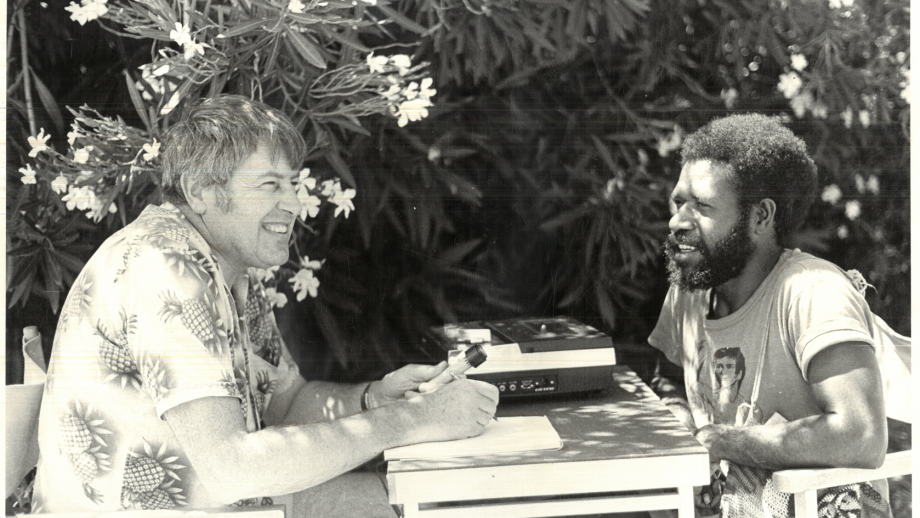
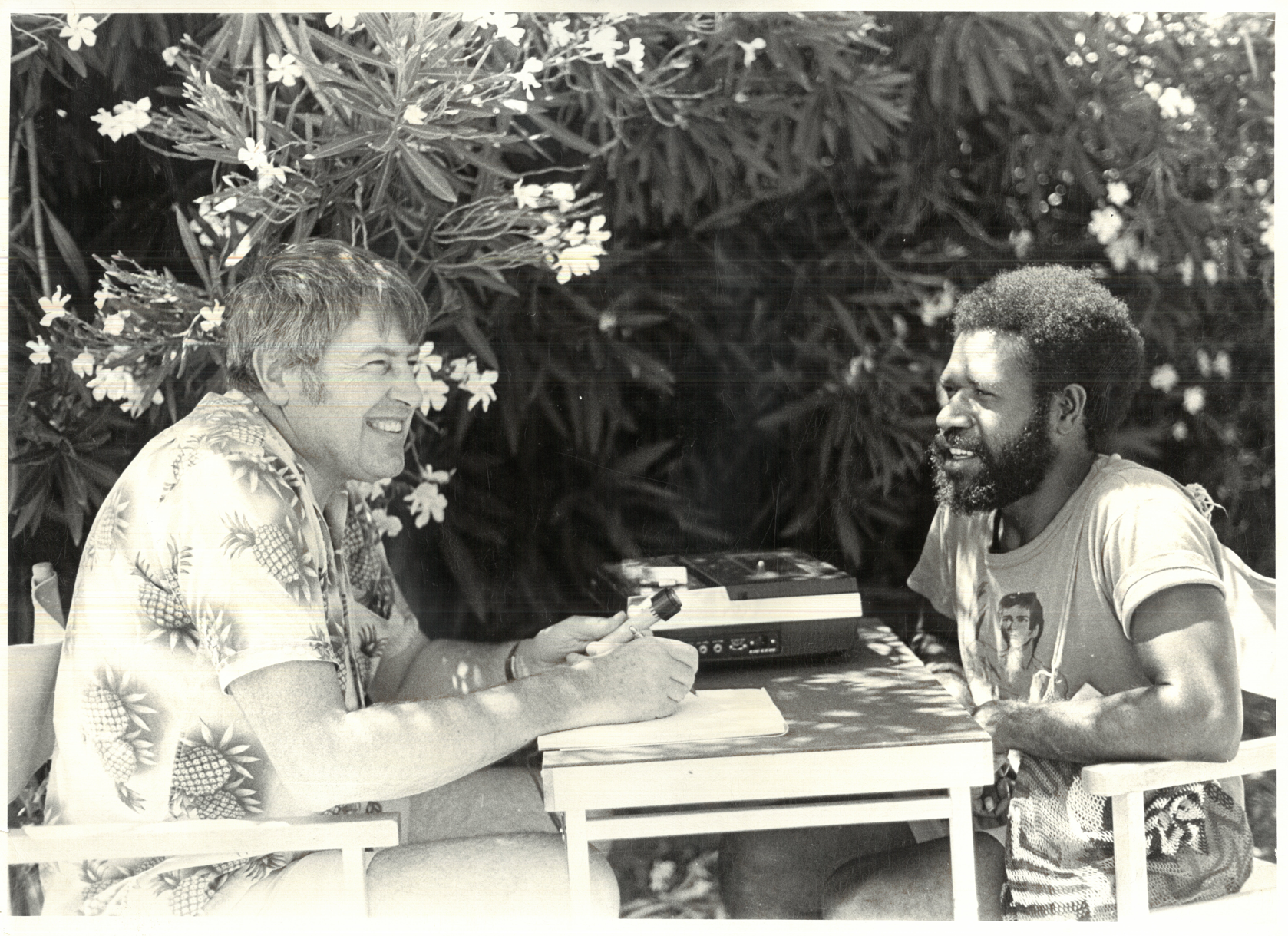
Papua New Guinea is home to more than 800 living languages, and such diversity quickly attacted the attention of linguists. After the close of hostilities of the second World War, many linguists from the ANU focused their attention on Papua New Guinea. This research has continued to today, with modern linguists documenting the evolution of the many languages of Papua New Guinea. Below are biographies of just a few of the many ANU anthropologists who have studied Papua New Guinea.
Stephen Wurm, "Linguist Extraordinaire"
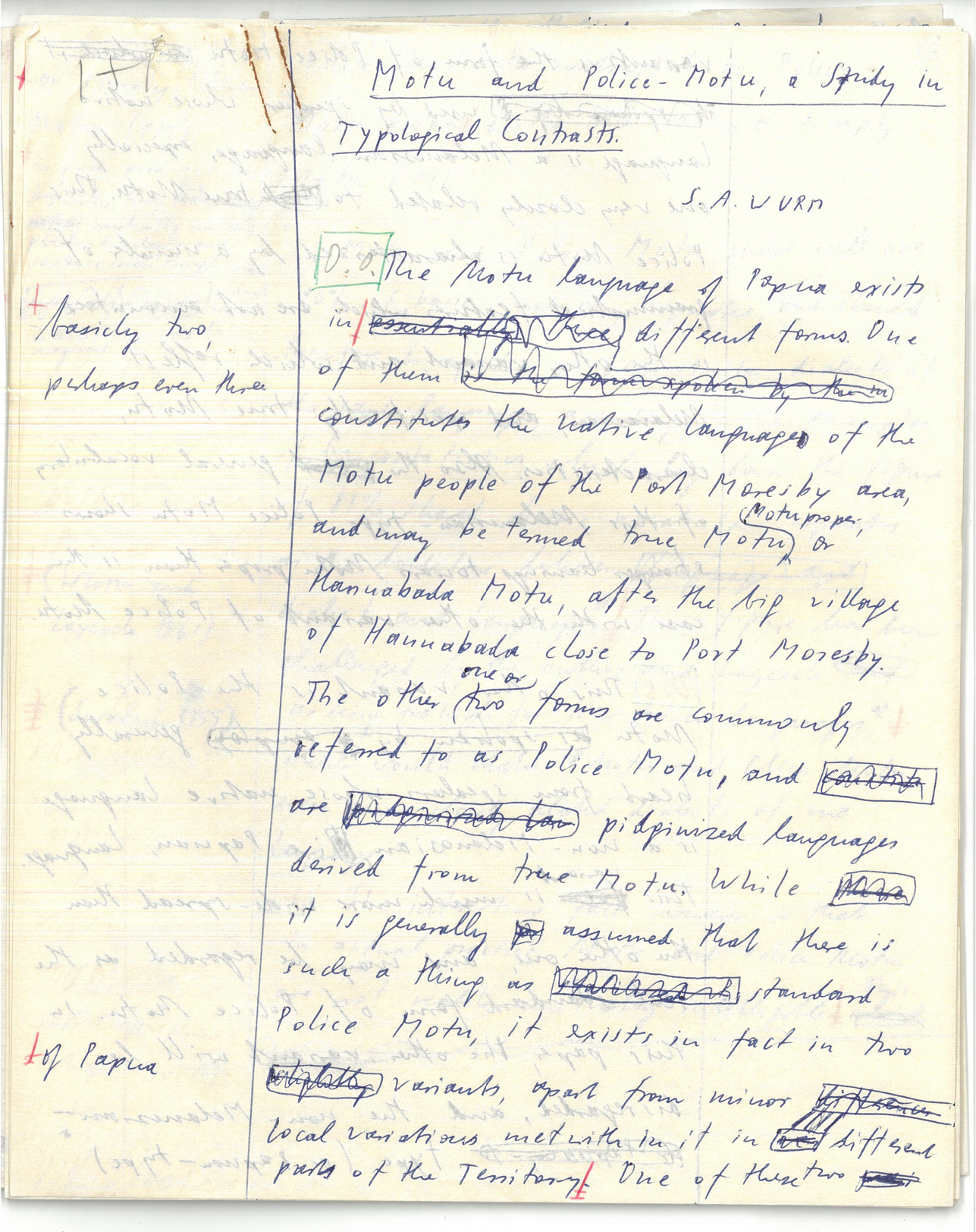
Stephen Adolphe Wurm completed his PhD in 1944 at the Oriental Institute of the University of Vienna in Turkic Languages and Anthropology. In 1951 he published his first work on the languages of New Guinea, using fieldnotes on the Kiwai language of western Papua sent to him by Dr Arthur Capell.Stephen Wurm continued to study Melanesian languages through pubished materials and fieldnotes he received from other academics for many years while working in London, focusing on Tok Pisin and Police Motu.
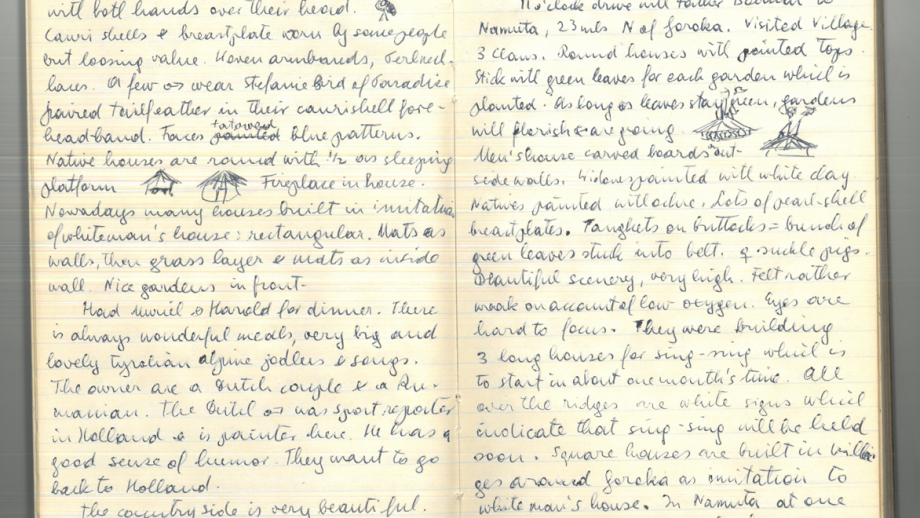
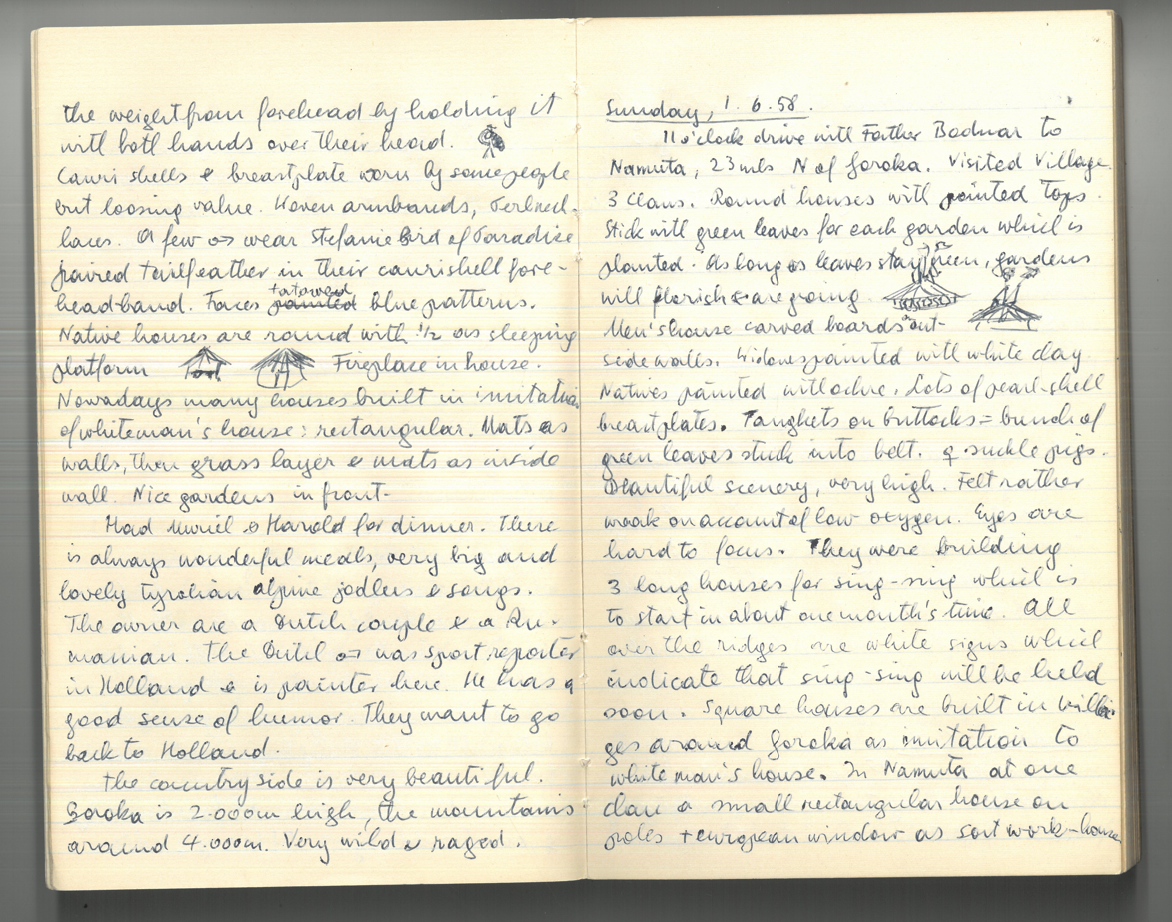
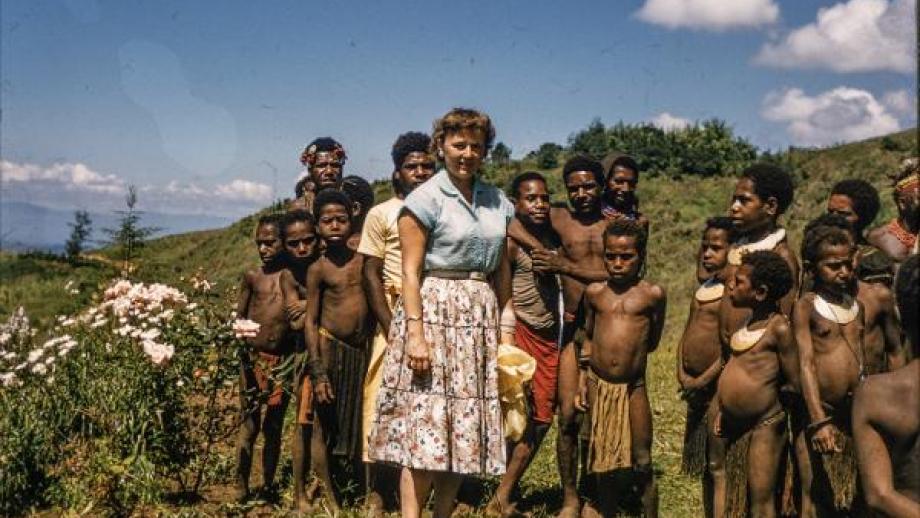
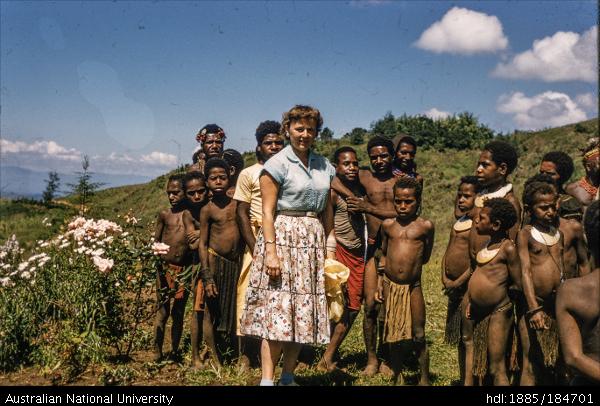
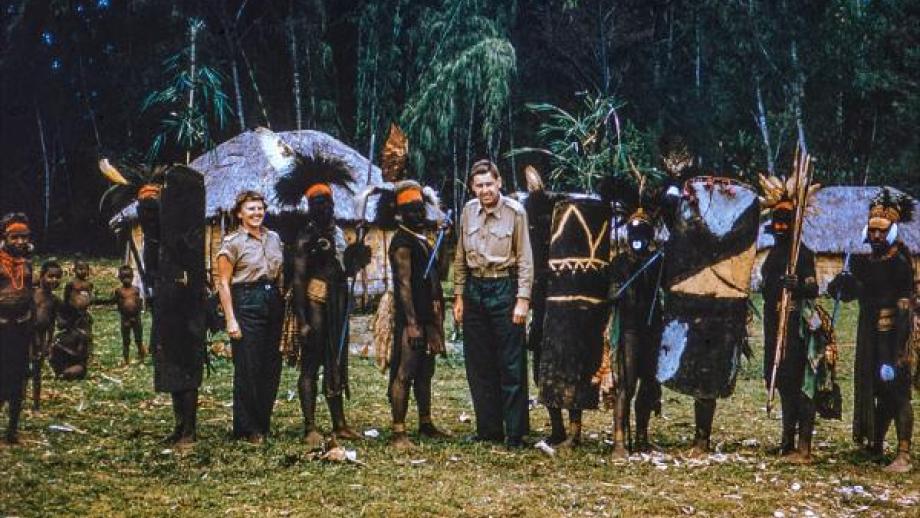
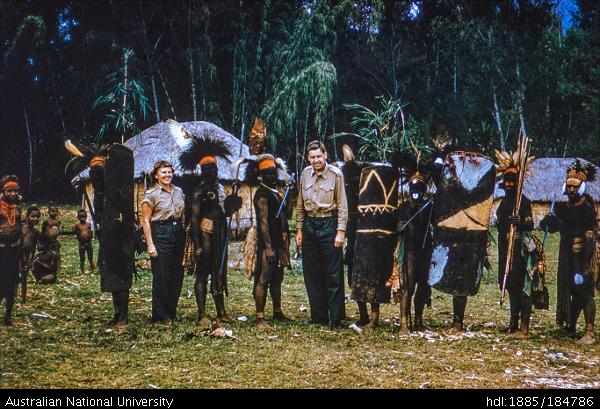
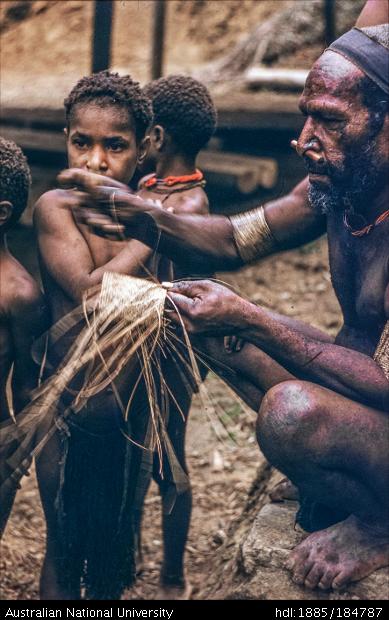
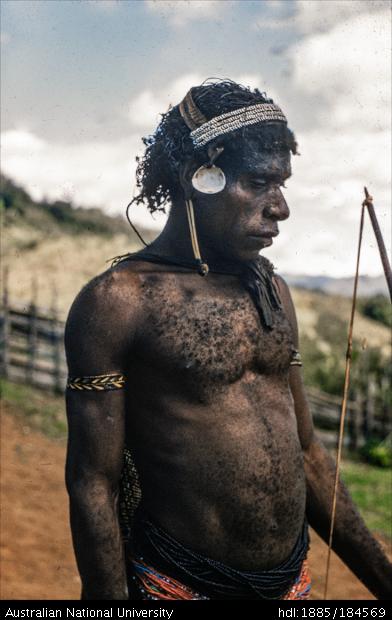
Finally, in 1954, Wurm accepted a research fellowship in Oceanic Linguistics in the Anthropology Department of the University of Sydney and in 1957 accepted an appointment as Senior Fellow in Linguistics at the Australian National University. He was the first linguist to be appointed at the ANU. The following year, he was finally able to carry out his research in Papua New Guinea, rather that relying on the notes made by others. He embarked on a nine-month survey, mostly in the Highlands region, making notes on more than 50 different languages, many of which had never previously been described. Stephen’s wife, Helen Groger-Wurm, an accomplished linguist and anthropologist in her own right and Curator of the Anthropological Section of the Institute of Anatomy in Canberra, accompanied him on his fieldwork in Papua New Guinea, and her interest in photography has given us a remarkable photographic record of their travels.
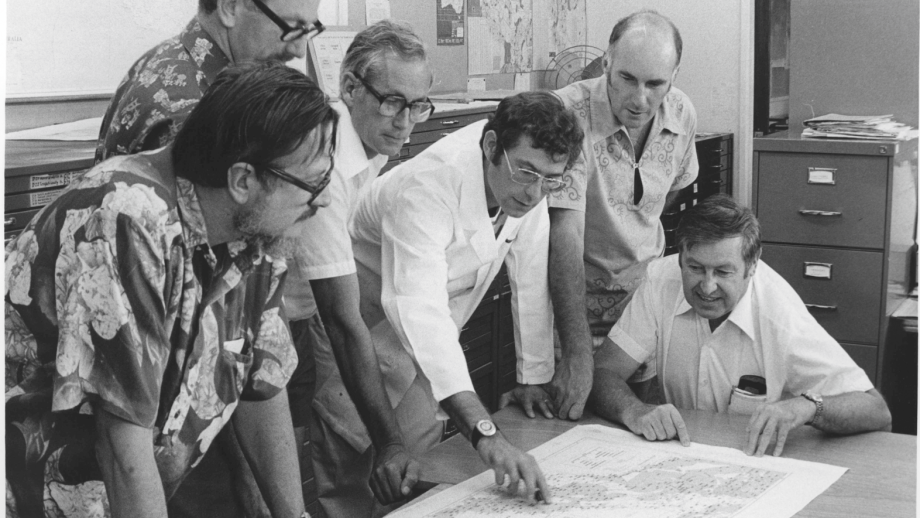
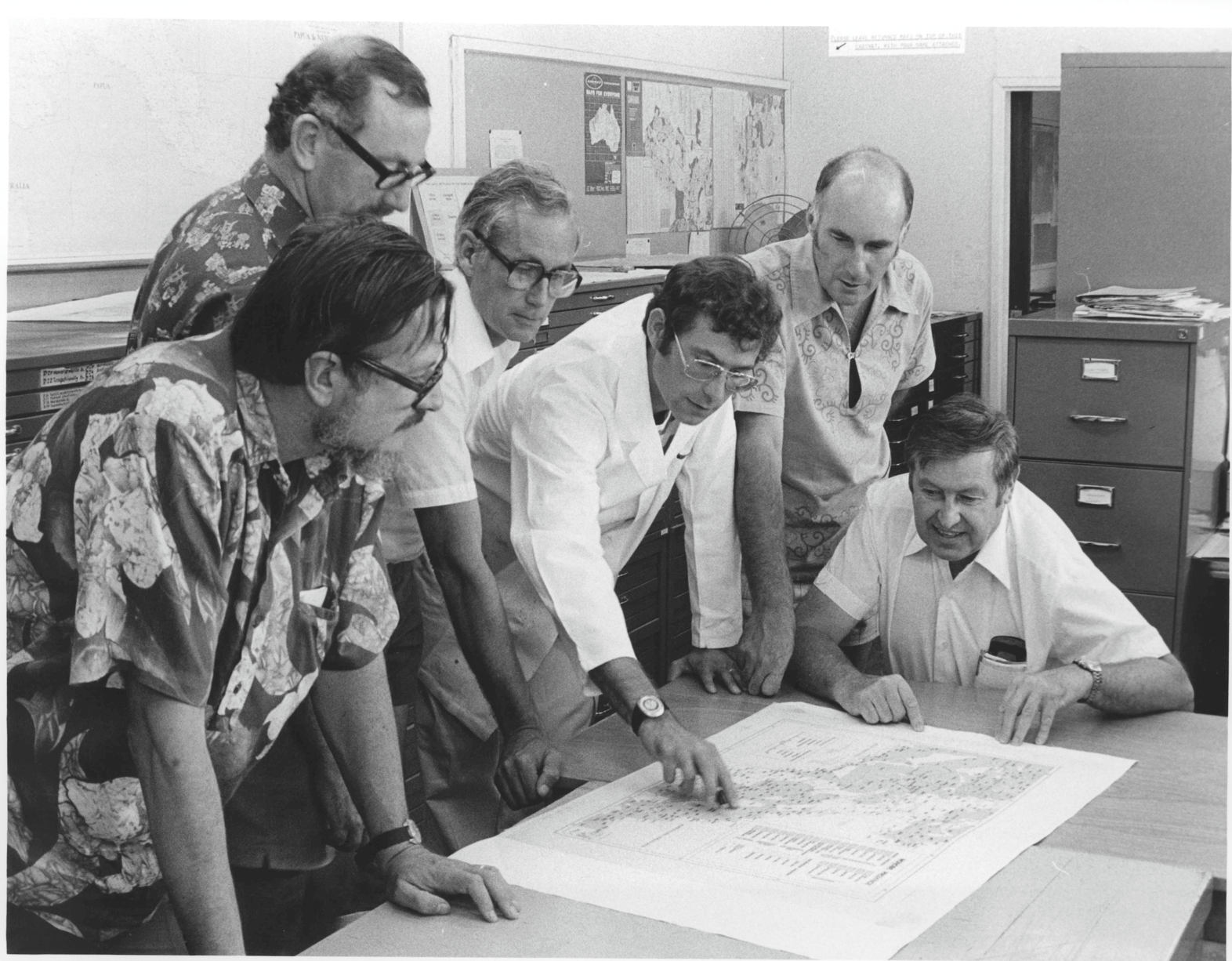
On his return to Canberra, Wurm gathered a team to make sense of the more than 800 languages of Papua New Guinea, including Donald Laycock, ‘Bert’ Voorhoeve, Darrell Tryon, and Tom Dutton. When the new Department of Linguistics was established at the Research School of Pacific Studies, Wurm was appointed its first Professor and Head of Department in 1968. Wurm developed the Trans-New Guinea phylum hypothesis, proposing that many of the languages of Papua New Guinea all share a common ancestor language. This hypothesis was promoted through the publication of New Guinea Area Languages and Language Study from 1975-1977 (in three volumes). Although many of the arguments were challenged, the Trans-New Guinea phylum hypothesis has since been largely proven correct. Stephen Wurm retired in 1987 but remained actively involved in the field of linguistics right up until his death on 24 October 2001 in Canberra.
Clemens Lambertus Voorhoeve
Clemens Lambertus (Bert) Voorhoeve joined the Australian National University as a research fellow in Anthropology and Sociology, Research School of Pacific Studies in November 1965. He was appointed to Fellow in the Department of Linguistics, Research School of Pacific Studies from March 1968, and promoted to Senior Fellow in 1974. Voorhoeve collected linguistic field recordings between 1960 and 1980s on languages in Indonesia and Papua New Guinea. Voorhoeve retired in 1988.
Donald Clarence Laycock
Laycock and was the first PhD scholar in linguistics at the Australian National University (1959-1962). Laycock’s PhD thesis on a language group in the Sepik district of Papua New Guinea was published in 1965 as the first book-length publication in the Department's Pacific Linguistics series, of which he later became one of the editors. He undertook many surveys of the languages of the Sepik region, which established the Sepik subphylum as a language group. He also first identified the Piawi and Torricelli language groups in Papua New Guinea. He was appointed as Research Fellow in the Department of Linguistics, Research School of Pacific Studies from 8 May 1964 and was appointed to Senior Fellow on 1 July 1969, which he held until his death in 1988.
Susanne Holzknecht
Sue Holzknecht completed her PhD thesis into the Markham languages of Papua New Guinea at the Department of Linguistics, Research School of Pacific Studies at the Australian National University. For 12 years Sue lectured at the PNG University of Technology, in Language and Communication Studies. From 1993 to 1998, she worded at ANU, as lecturer in Academic and Research Skills, then 3 years in the Academic Skills and Learning Centre. In 2001, she was Academic Skills Advisor to graduate students in the School of Rescources, Environment and Society at the Australian National University.
Thomas Dutton
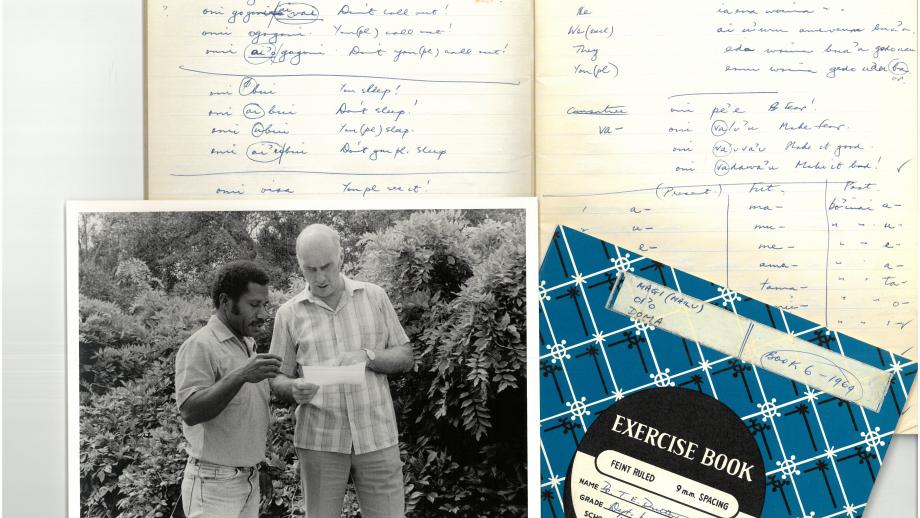
Dr Thomas (Tom) Dutton was a Senior Fellow, Department of Linguistics, Research School of Pacific and Asian Studies, Australian National University. He began as a Research Fellow in Linguistics from 29 April 1969, and was promoted to Fellow and Senior Fellow before retiring from the ANU in 1997. Prior to taking up linguistics Dutton was an Education Officer in the Administration of Papua and New Guinea. His many books include studies on Papuan languages.
Darrell T Tryon
Darrell Tryon, Pacific scholar in linguistics at the Australian National University, was a leading scholar of Pacific and Austronesian languages. He moved to Australia during the mid 1960s, where he taught at Australian National University.
Although he focused ont the native languages of the French territories of the Pacific such as the Solomon Islands, Vanuatu, and French Polynesia, he also contributed significant work towards Stephen Wurm's Trans-New Guinea phylum hypothesis.