Many scholars from diverse fields at the Australian National University have studied the people, land, and development of Papua New Guinea. Their research has had a profound impact on the mapping of Papua New Guinea. Below are some select biographies of those who have given their research papers to the Australian National University Archives, Pacific Research Archives, to inform further studies and research.
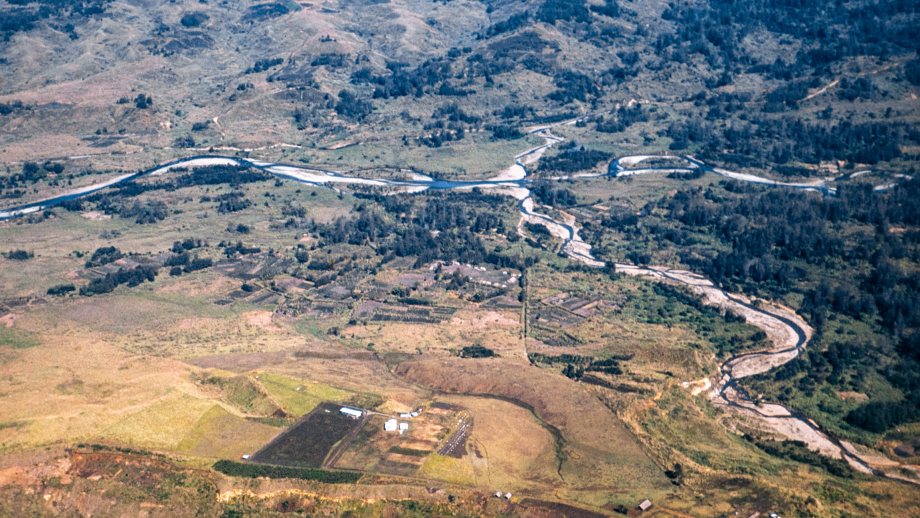
Diana Howlett joined the Geography Department of the (then) Research School of Pacific Studies at the Australian National University as a PhD student in 1959. She began her fieldword in the Highlands region of Papua New Guinea in 1960, focusing on land use. She was awarded her PhD in 1963 for her thesis “A Decade of Change in the Goroka Valley, New Guinea: Land Use and Development in the 1950s.”
Howlett was hired as a research assistant in the New Guinea Research Unit at ANU, where she continued her work on Papua New Guinea. After working at other institutions for several years, Howlett returned to the Australian National University in 1971, when she was appointed Research Fellow in the Department of Human Geography. She continued her work in Papua New Guinea throughout the 1970s and early 1980s, focusing on development in the Highlands region.
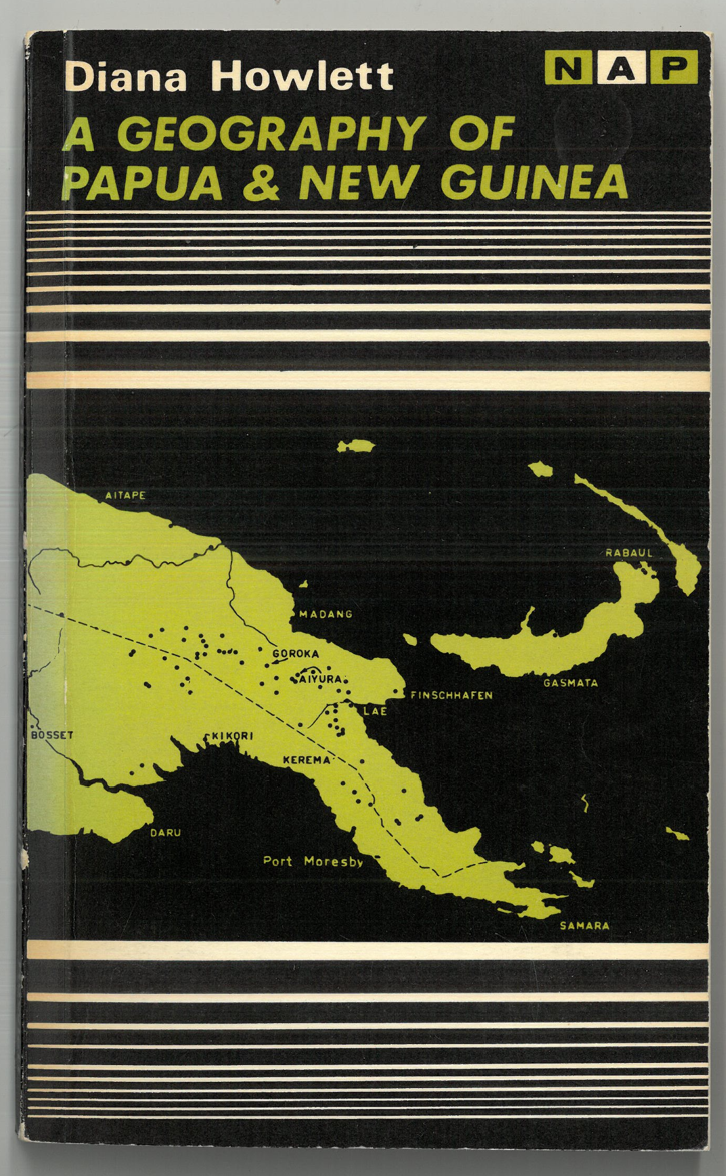
In 1982, she was appointed to be Professor and Head of the Geography Department, only the second woman to be ever appointed a full professor at the Australian National University. She was Professor of Geography until her retirement in 1999, when she was appointed Emeritus Professor. She authored numerous studies on the geography of Papua New Guinea. The Diana Howlett Prize is awarded to the student with the most outstanding result in Honours in Geography at the Australian National University.
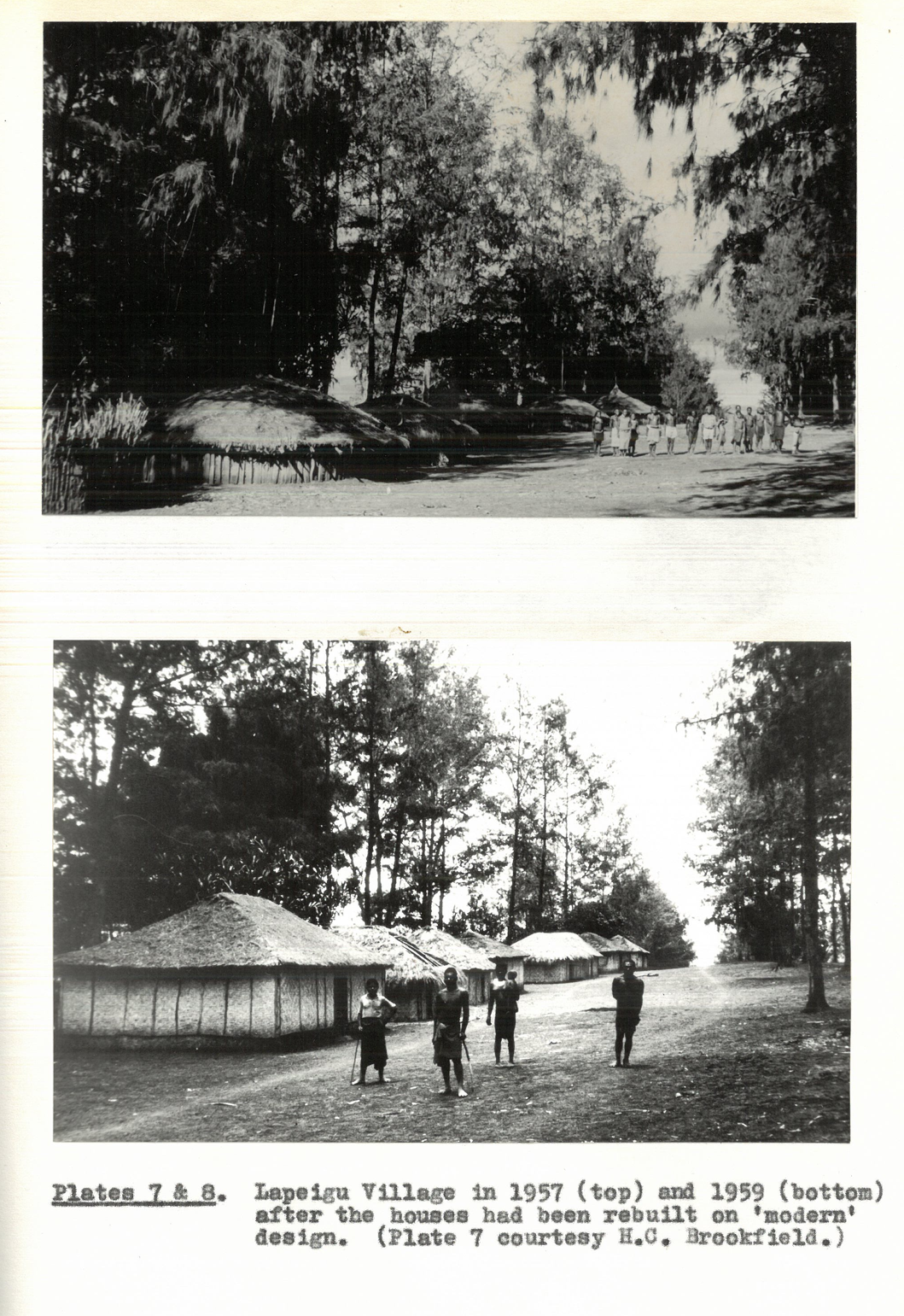
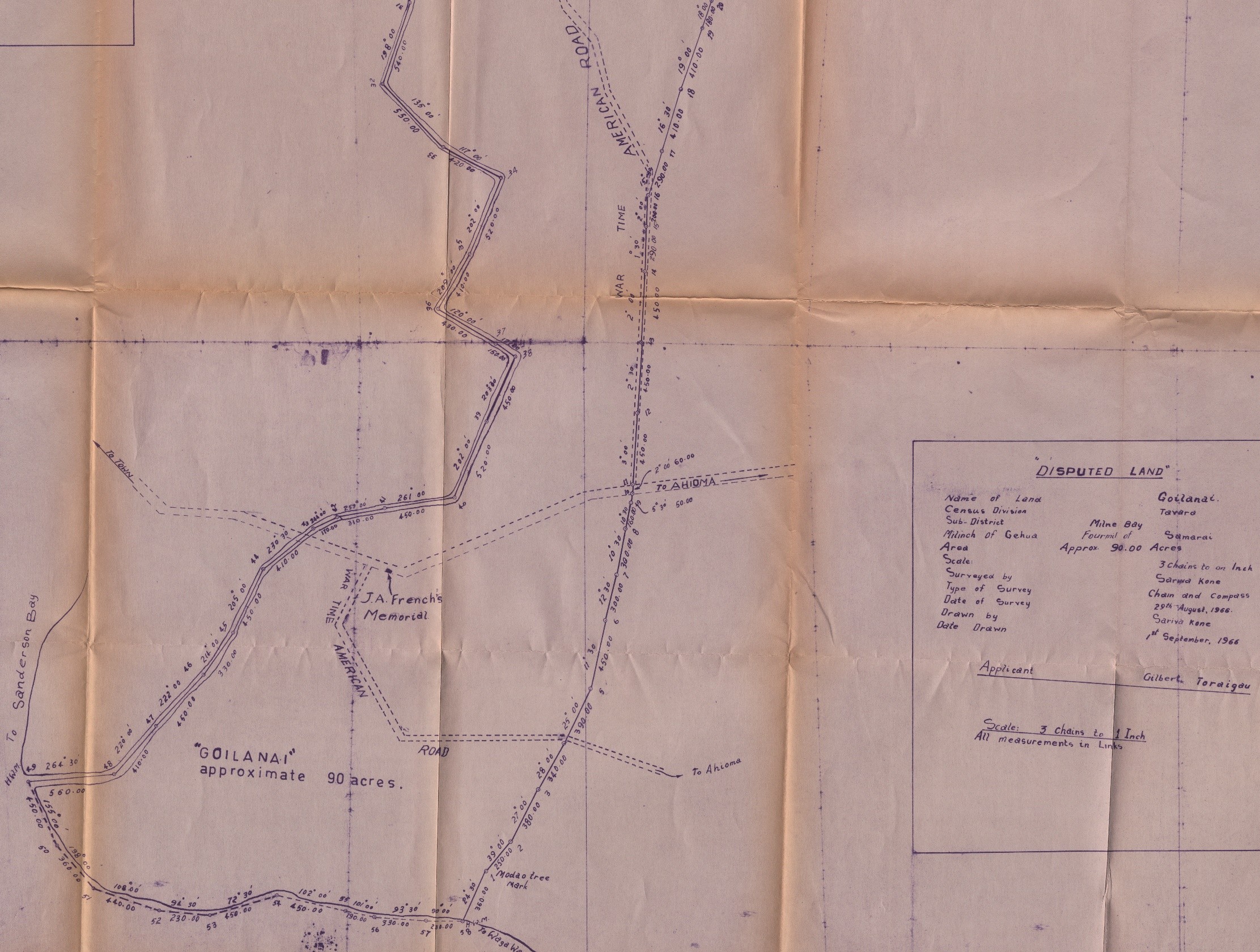
Peter Georg Sack was associated with the Department of Law, Research School of Social Sciences, Australian National University from 1957-1998. He was a scholar from May 1967; Research Assistant from January 1971; and appointed to Research Fellow on 16 April 1971; then Fellow from 1975 and Senior Fellow in Law, 1984-1988. Sack’s research interests were in European land acquisition and land tenure in Papua New Guinea. After his retirement from the RSSS in 1998, Sack was Visiting Fellow in Pacific and Asian History. His collection of land documents, largely court documents of land claims from Papua New Guinea, are in high demand in the archives.
Bryant Allen joined the Australian National University in 1971 as a PhD student in the Department of Human Geography, Research School of Pacific Studies. He carried out fieldwork in villages around Dreikikir, East Sepik Province in 1971 and 1972 and has returned to this area many times time since.
In 1974 Bryant took up a position as Lecturer in Geography at the University of Papua New Guinea and with Andrew Wood, studied Huli agriculture in the Tari Basin, Hela Province. In 1981-82 he was consultant to the PNG Office of Environment on population growth and land use.
Bryant returned to ANU in 1982 as a Research Fellow in the Department of Human Geography, Research School of Pacific and Asian Studies, College of Asia and the Pacific. From 1990 – 2009 Bryant was a Senior Fellow at ANU. With colleagues Harold Brookfield, Mike Bourke, Robin Hide and the late Geoff Humphreys he formed the Land Management Group. LMG identified, mapped and documented agriculture systems over the whole of PNG in collaboration with the GoPNG. This project had many spin-offs, including collaboration in a World Bank poverty survey of PNG and two ACIAR projects. In 1997 Bryant was co-leader with Mike Bourke of an AusAID supported a national assessment of food and water shortages in Papua New Guinea which guided Australia’s food delivery program by the ADF. When he retired in December 2009 he had been the Head of the Department of Human Geography a number of times and was the Convenor of the Division of Society and Environment. Bryant has consulted for AusAID, the World Bank, ADB and FAO. After retirement from ANU he was contracted by Esso Highlands as a Community Affairs Field Manager and Senior Advisor to the PNG LNG Project (2009-2013).
Bryant is currently a Visiting Fellow, State, Society and Governance in Melanesia Program, College of Asia and the Pacific at the ANU, and conducts his own social and economic consulting business in Canberra.
Harold Brookfield joined the Research School of Pacific Studies at the Australian National University in 1957 where he spent most of his academic career. He spent two periods at the Geography (later Human Geography) Department in RSPAS – the first from 1957 to 1969, and then again from 1982 until his retirement in 1991, at one point becoming the Head of the Human Geography Department and Acting Director of the School.
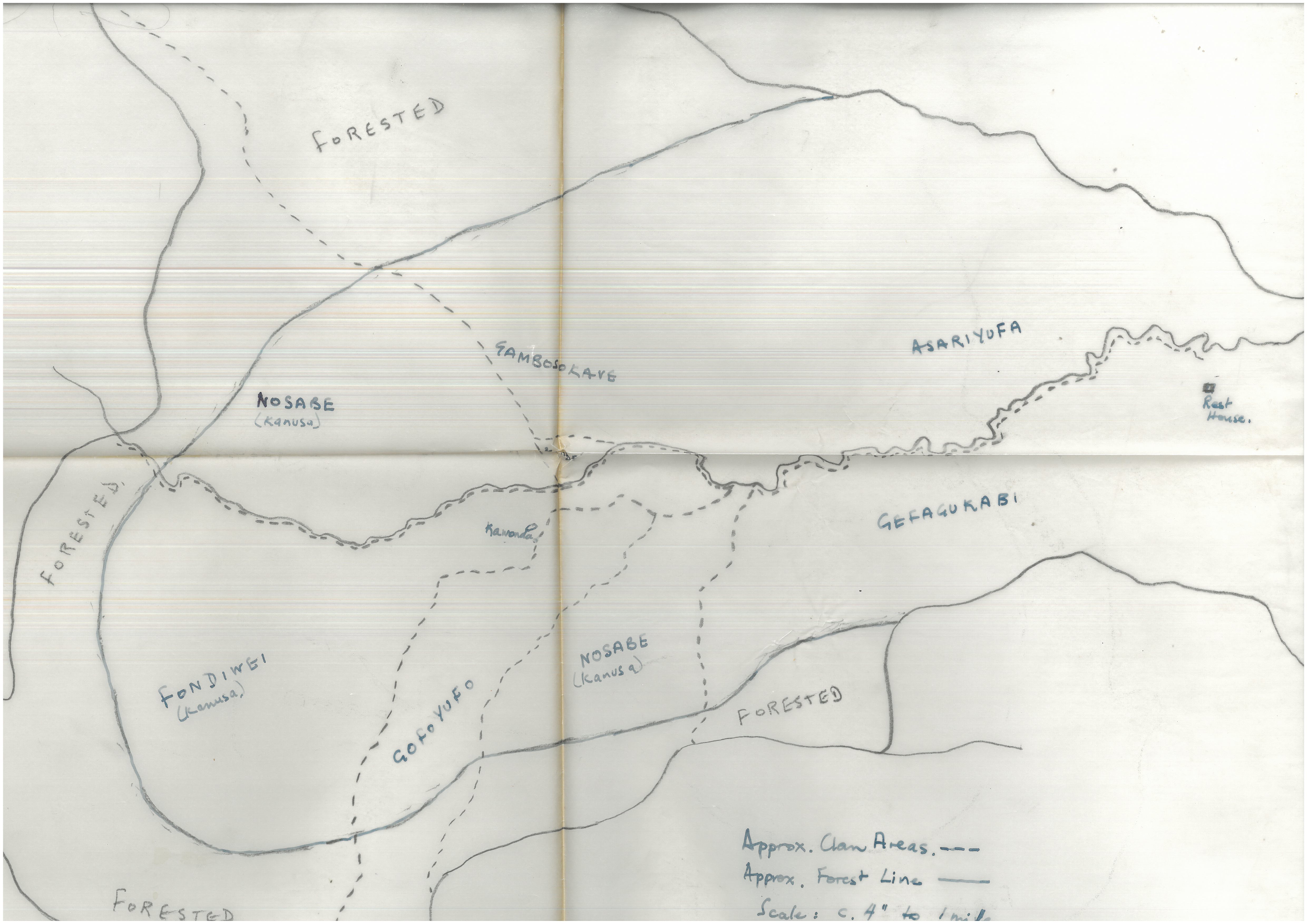
Brookfield conducted field work in Papua New Guinea, the New Hebrides, New Caledonia, the Solomon Islands, Bougainville and the Philippines. His interests focused on Papua New Guinea where he conducted fieldwork in the highlands and collaborated with anthropologists from the Research School. His work largely focused on the relationship between humans and their landscapes, particularly as this was understood through the lens of agricultural production. His work on agricultural intensification, land use and land degradation, and the impact of El Nino events was ground-breaking and innovative.
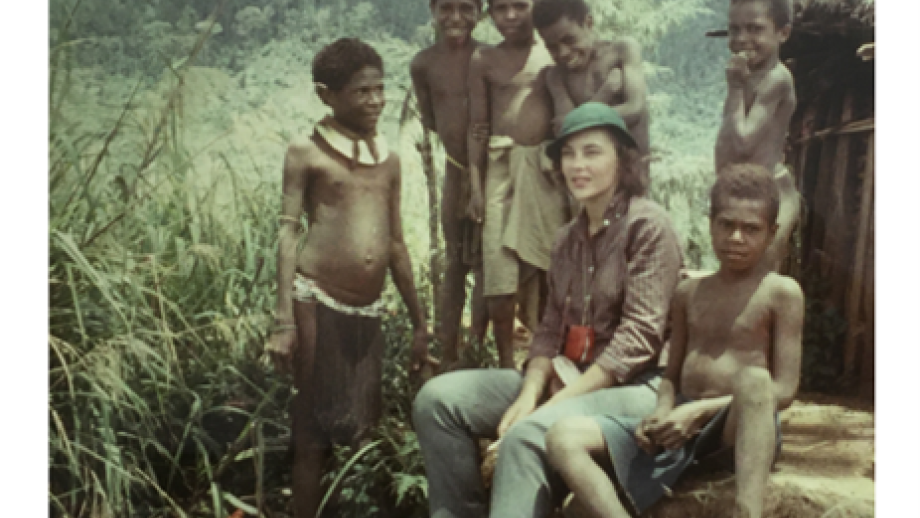
William Clarke graduated with a BA degree in anthropology, MA and PhD in geography from the University of California, Berkeley. Clarke began research in the Pacific Islands in 1964 as a member of a National Science Foundation research project ‘Human ecology of the New Guinea rainforest’. On the basis of his year’s research among the Maring people of the remote Simbai Valley, he wrote a PhD thesis in geography, which was later published as Place and People: An Ecology of a New Guinean Community (University of California Press, 1971). He taught for a year at the University of Hawai’i and then took up a Research Fellowship in the Department of Human Geography in the Research School of Pacific Studies at the Australian National University. He was then appointed geography professorships at the University of the South Pacific in Fiji, Monash University in Melbourne, and the University of Papua New Guinea.
Geoffrey Hope was an environmental historian. His research interests included vegetation history and the historical biogeography of Australian, Asian and Pacific biota. He held a BSc (Hons), a MSc and a DSc from Melbourne University, and a PhD from ANU. He was an Emeritus Professor in the Department of Archaeology and Natural History and a Visiting Fellow in the Fenner School of Environment and Society.
Geoffrey Hope has been based at Australian National University since 1978, lecturing in Geography before moving to a research position in RSPAS (now College of Asia Pacific) in 1990. As an environmental historian he works with a mix of methodologies and related fields of study including archaeology, biogeography, palaeontology, soil sciences and geoscience. His research interests include the impact of people on landscapes, including the impact of erosion, surface processes and silting, climate change and fire on human habitation. He is also interested in the roles of climate change and fire on human responses and adaptability. This work aims to contribute practical help for control of greenhouse emissions and solutions to problems of land management and biodiversity conservation.