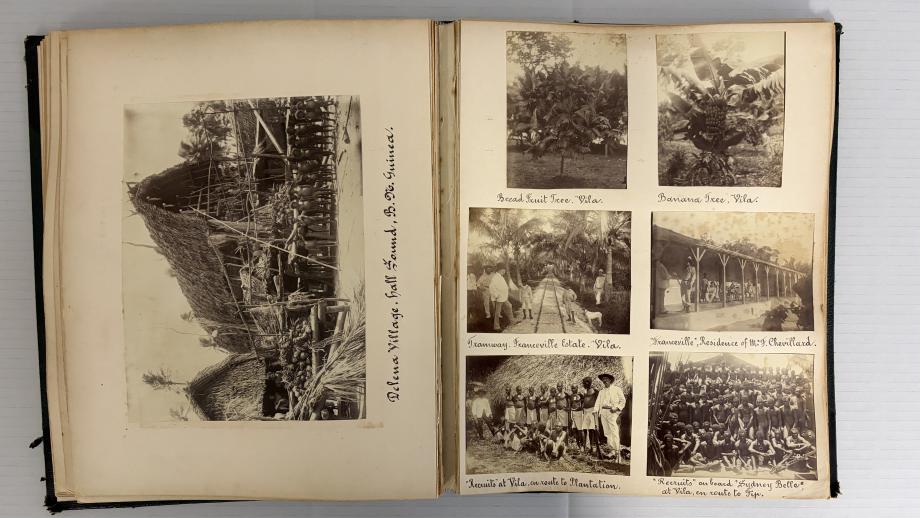
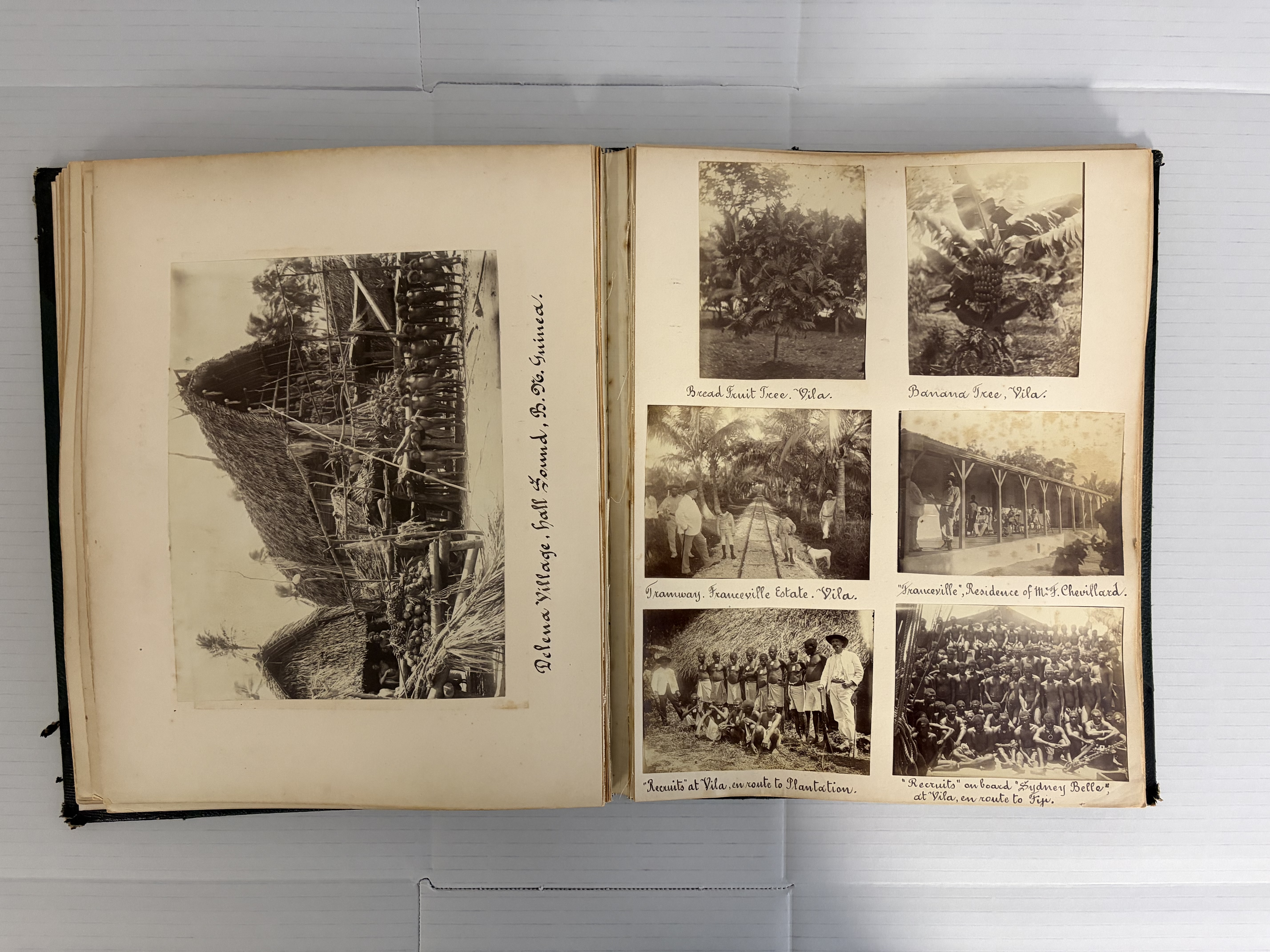
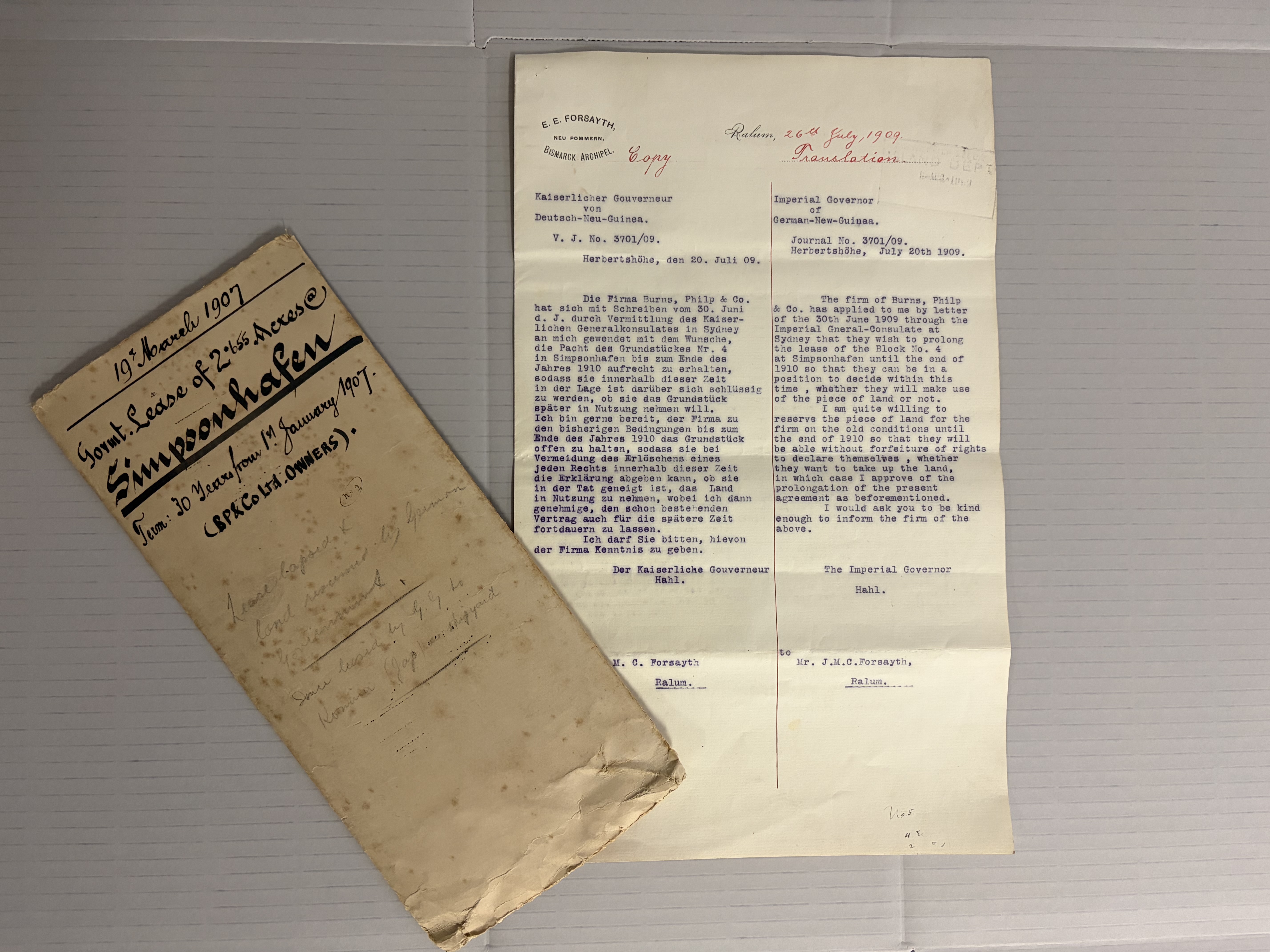
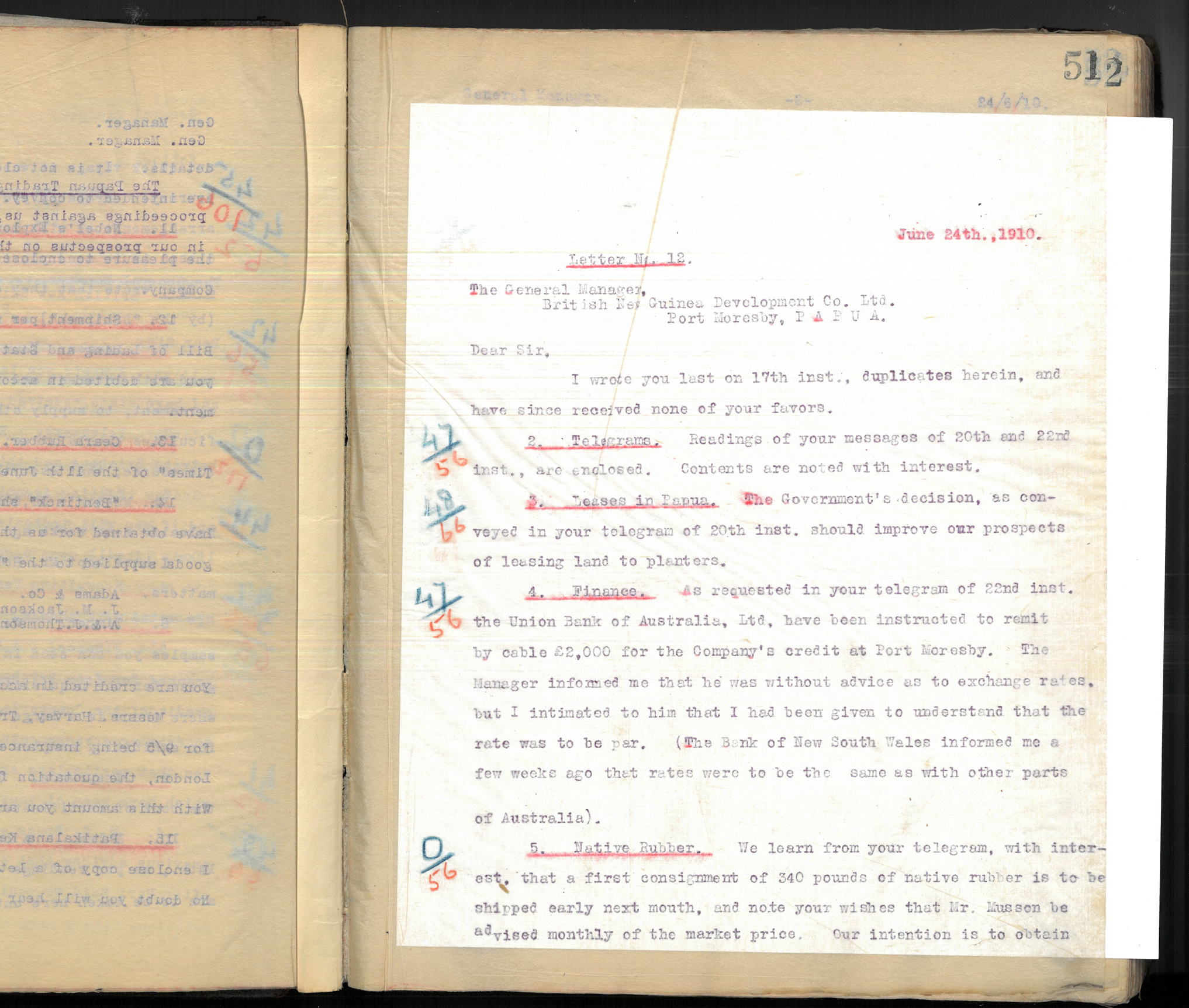
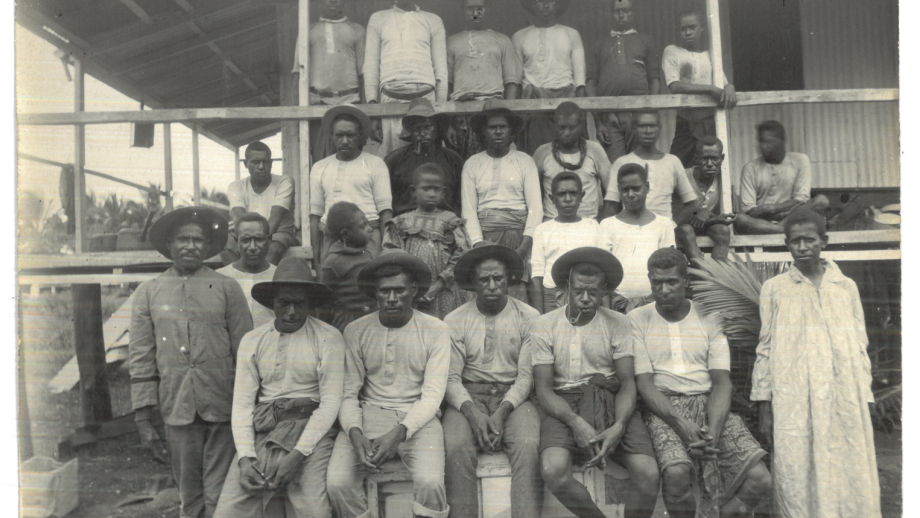
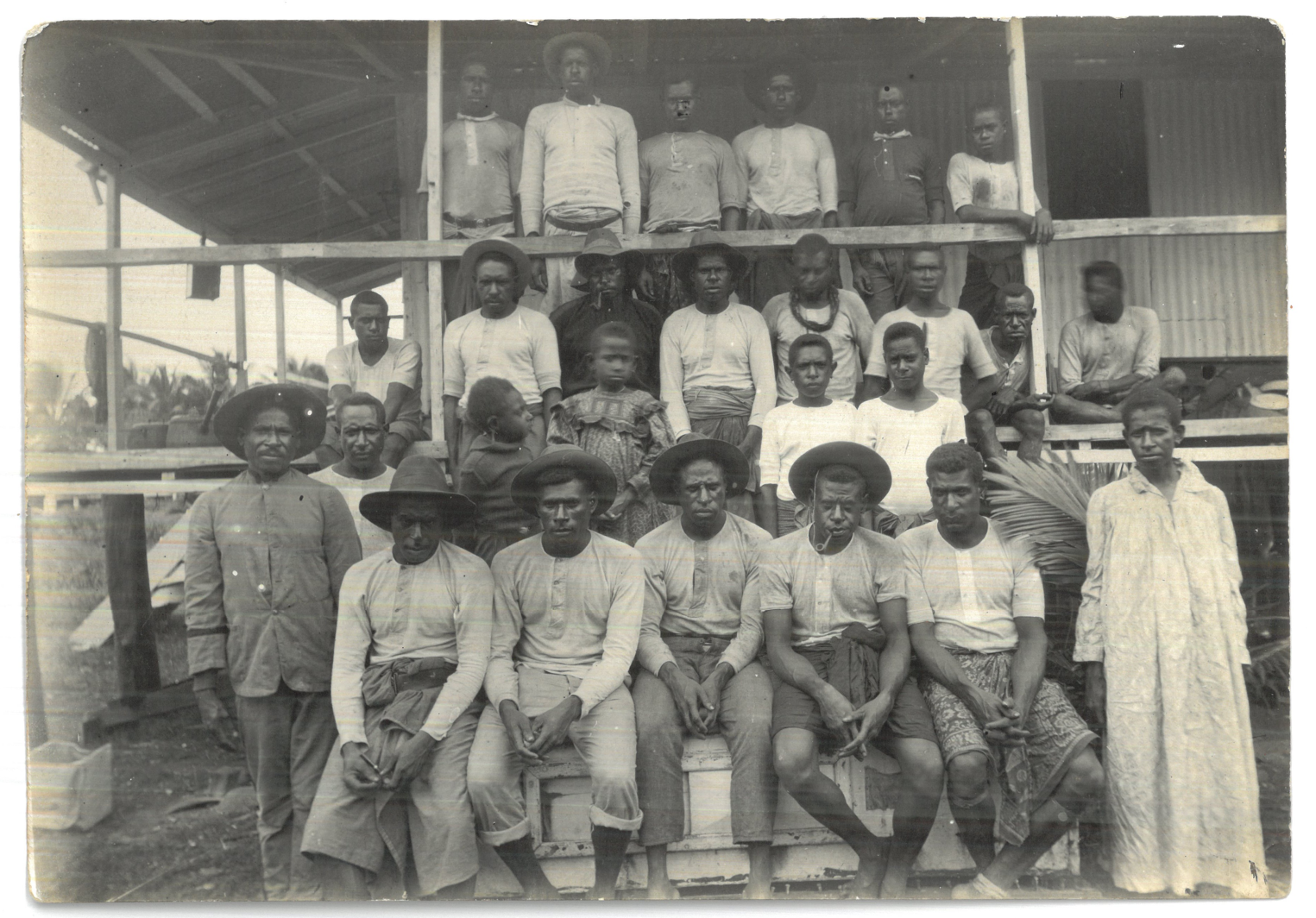
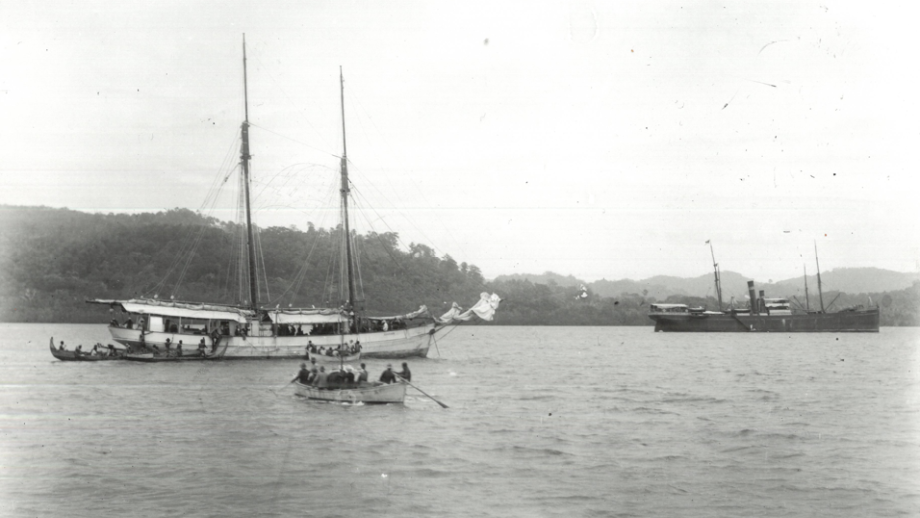
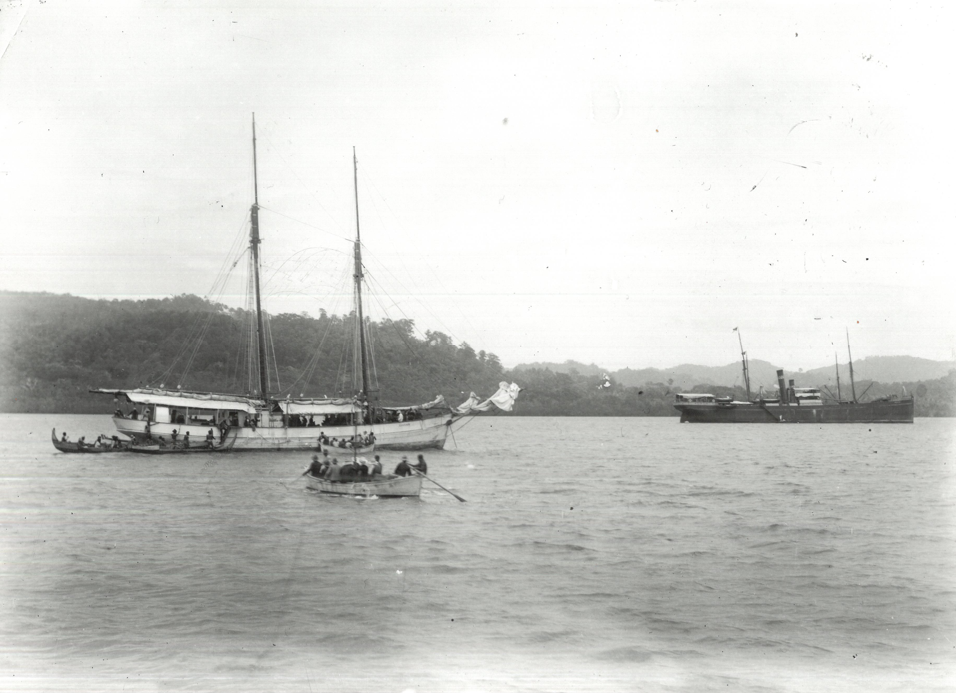
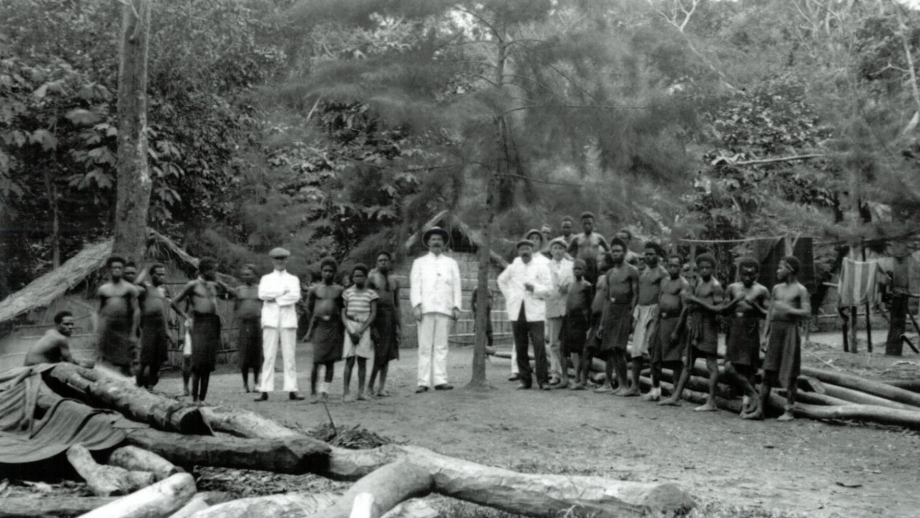
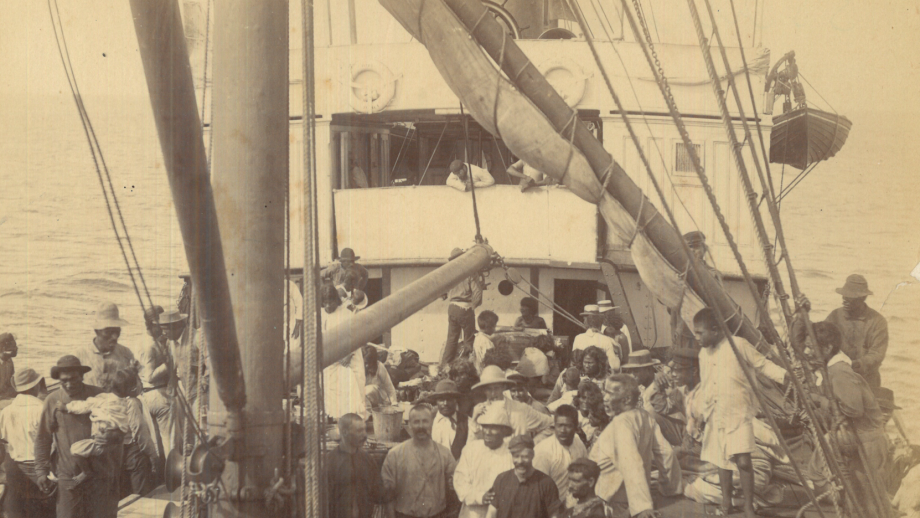
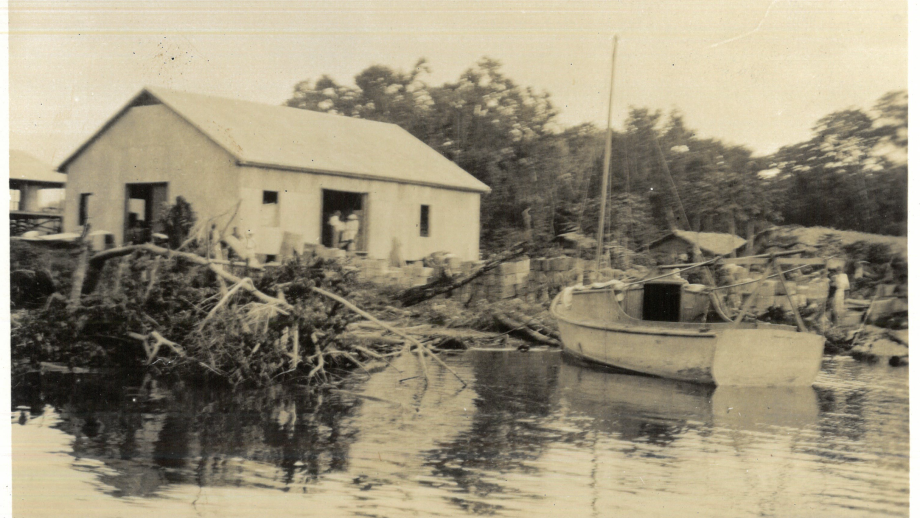
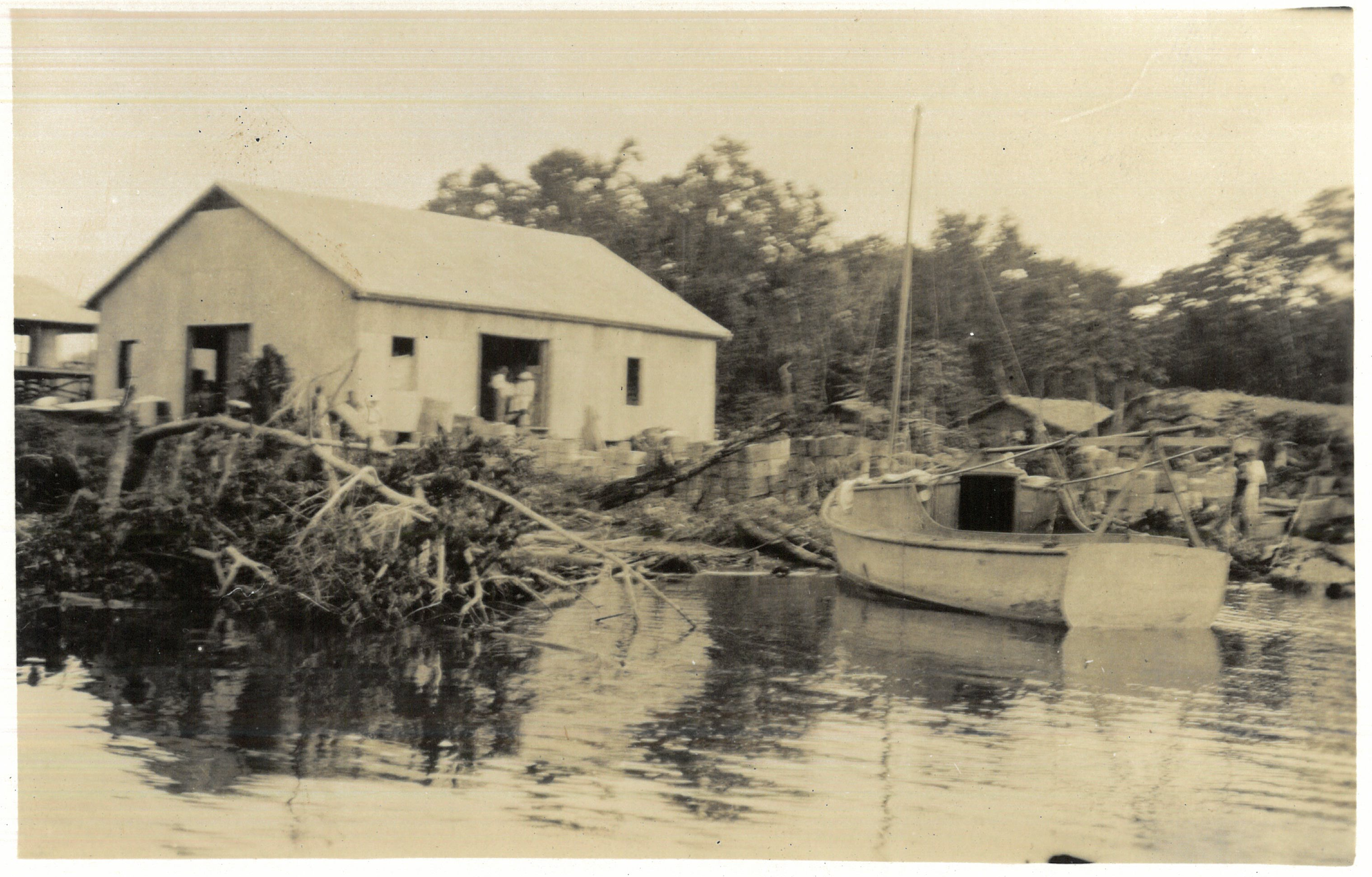
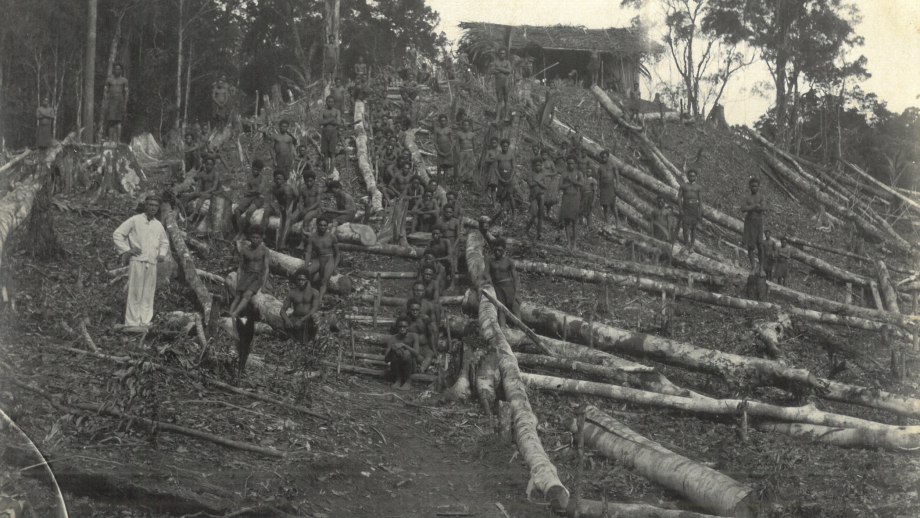
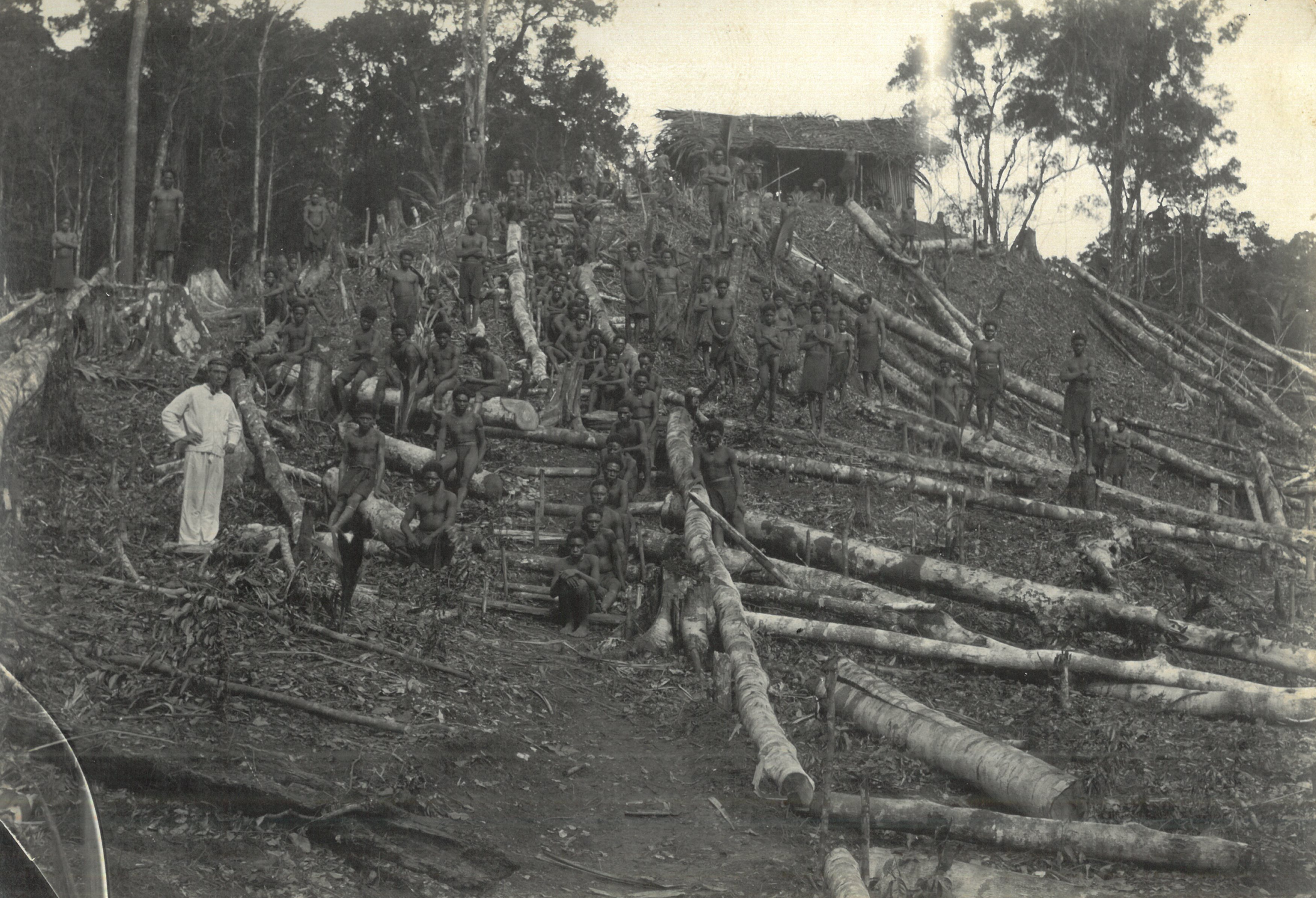
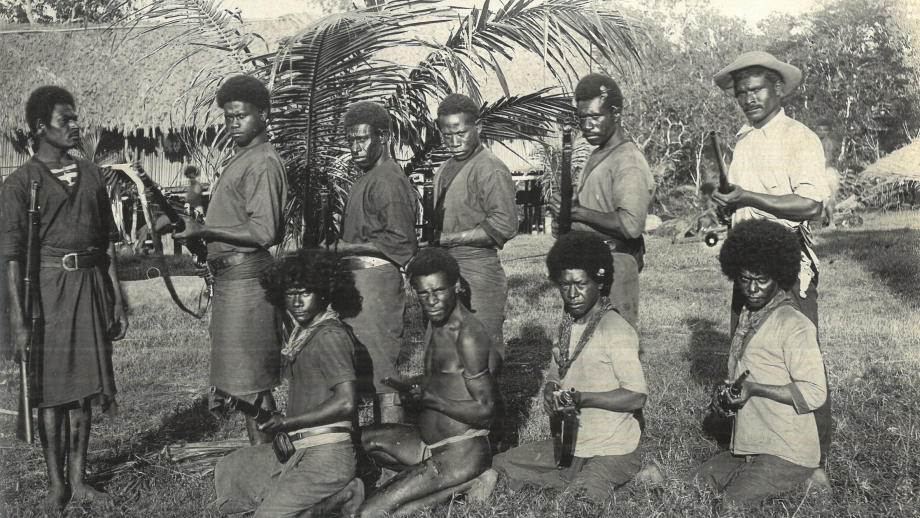
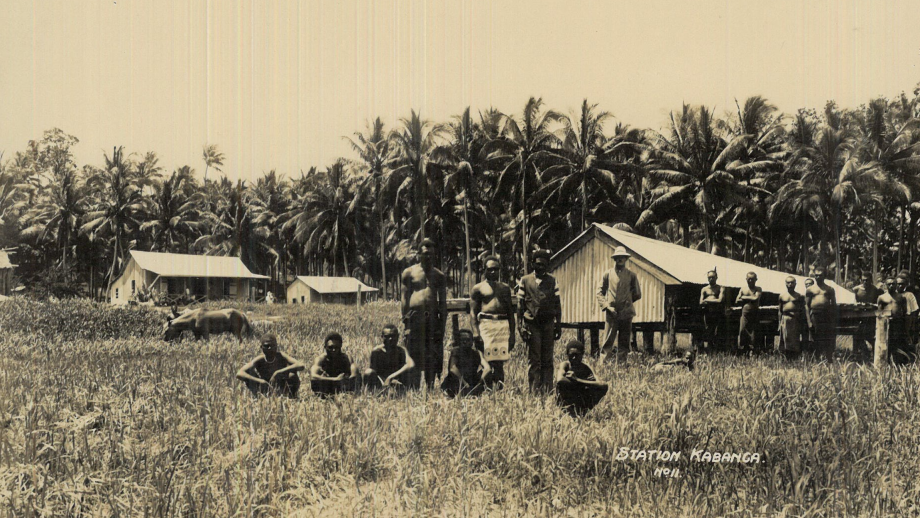
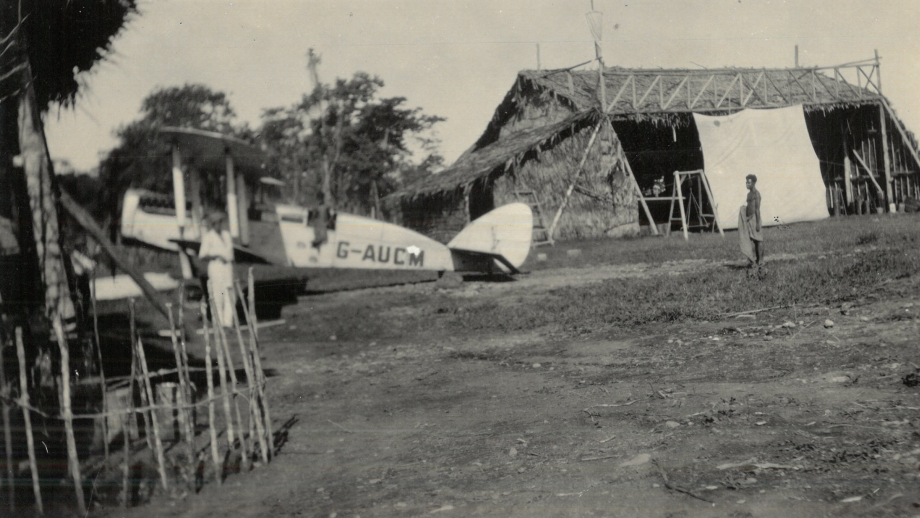
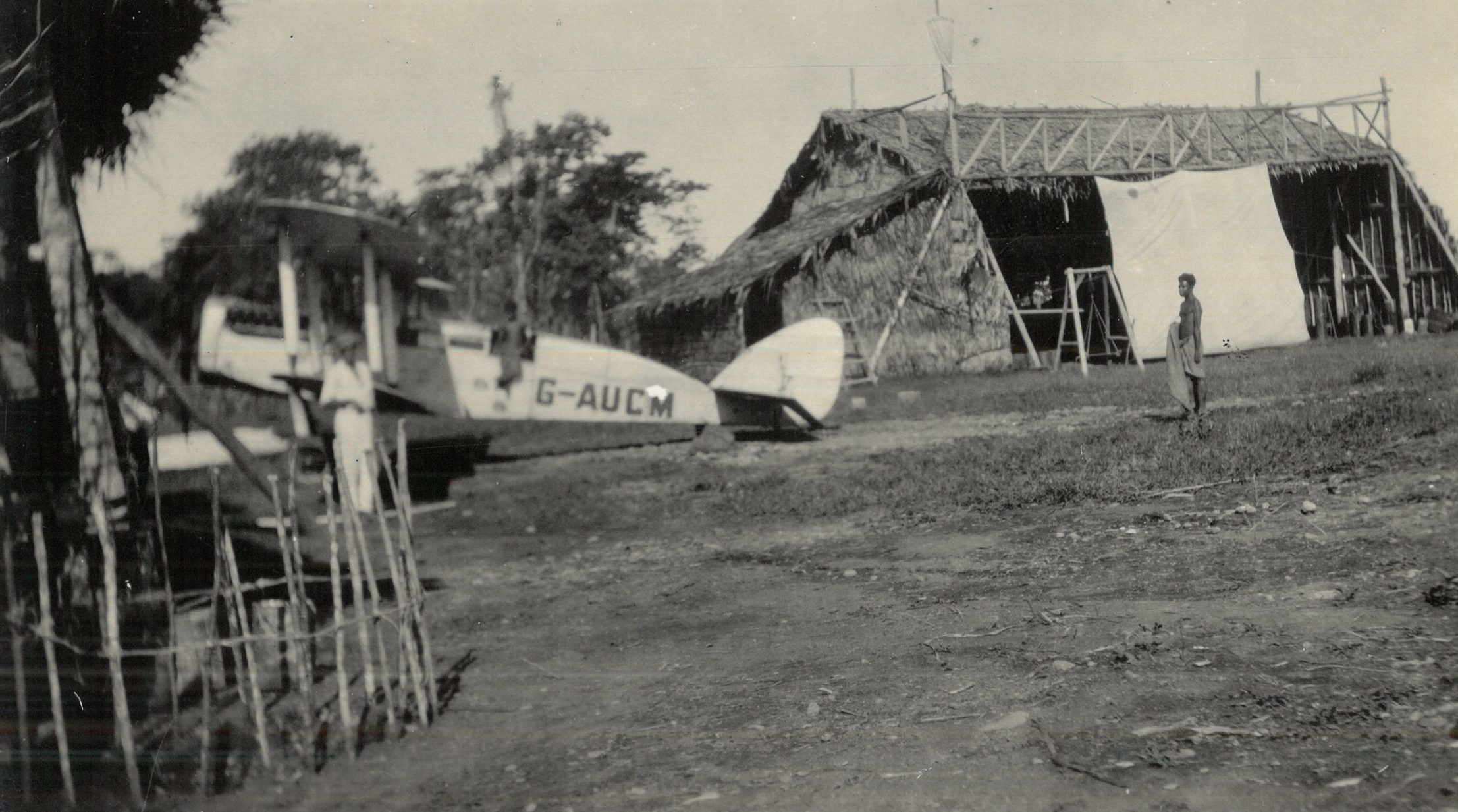
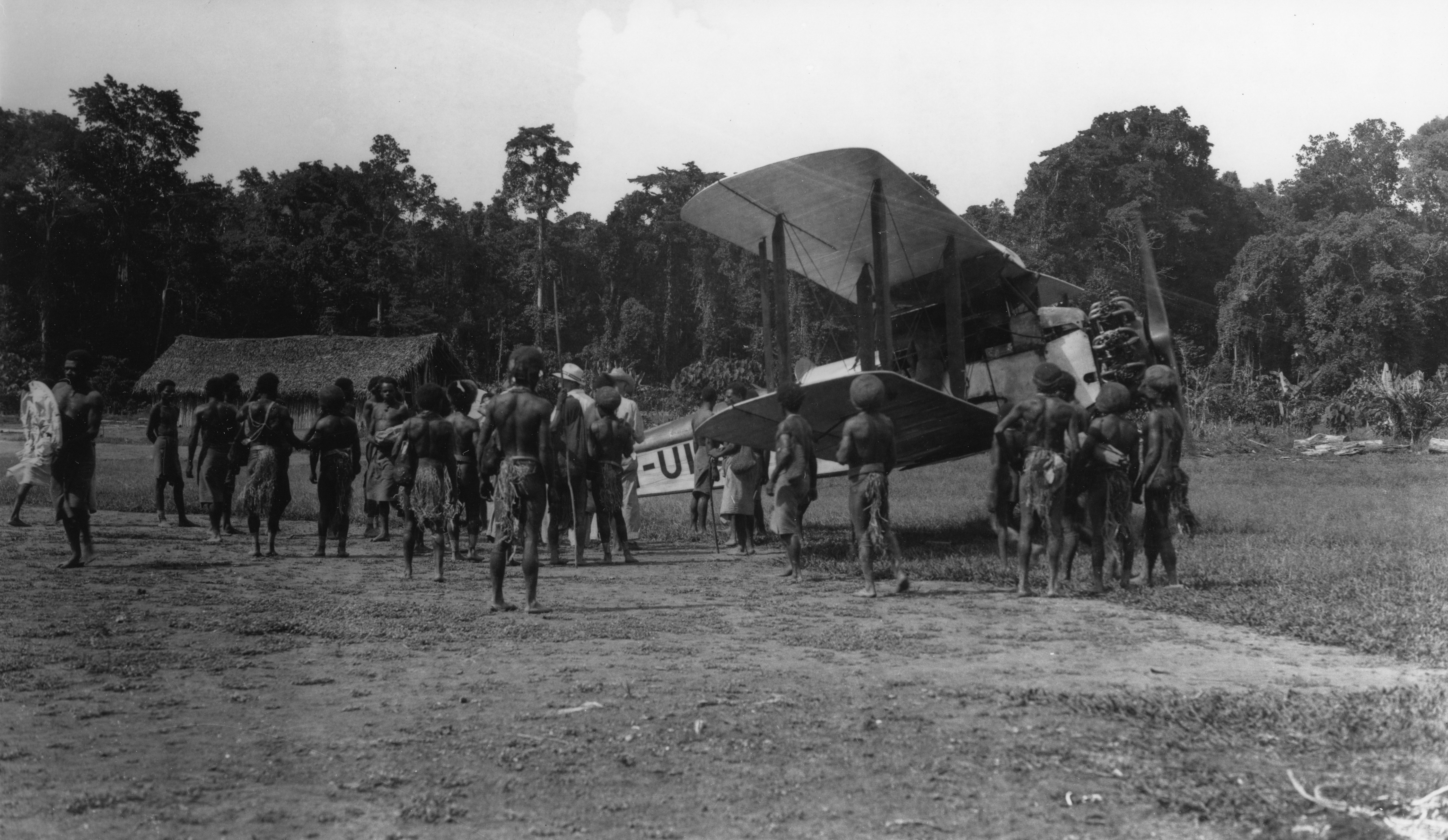
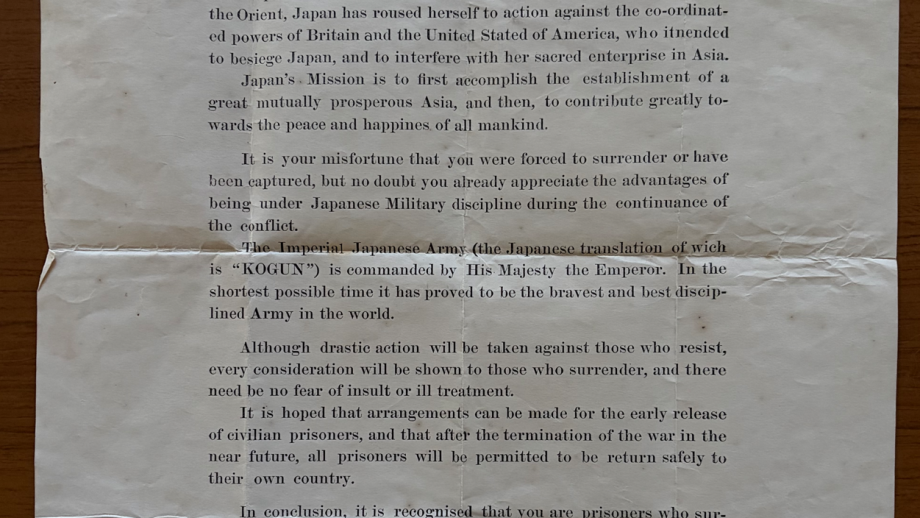
Although the Australian National University was not founded until 1946, the ANU Archives has an extensive collection of resources related to the history of Papua New Guinea, long before the existence of the university. These come from ANU academics, who collected historical documents, as well as from Australian companies and individuals who were active in Papua New Guinea before the establishment of the university.
It would be impossible to relate all of the long history of Papua New Guinea before independence in a within the limits of an online exhibition, so the archives has opted for a short history of the country, along with selected items from the archives to highlight certain episodes in Papua New Guinea history.
Papua New Guinea had a long history before it was first sighted and reported by Europeans in the sixteenth century. See the page on Archaeology for more details about the archaeological investigations undertaken by ANU archaeologists to uncover Papua New Guinea’s deep past.
Traders and raiders from southeast Asia, largely Malay, visited the shores of New Guinea for several centuries before the first European contacts with the country. The first recorded European to land in Papua New Guinea was in 1526, when Jorge de Meneses of Portugal landed on the west coast of the island of New Guinea and called it “Ilhas dos Papuas” or Island of the Papuas. Some years later in 1545, Inigo Oritz de Retes of Spain dubbed the land “Nueva Guinea” supposedly for its similarities to Guinea in Africa. Both names, Papua and New Guinea, would be used to refer to different parts of the country for many years.
European contact with Papua New Guinea was sporadic and varied until regular trading routes were established in the late eighteenth and early nineteenth centuries, primarily due to British trading routes from Australia to ports in Bengal (Kolkata) and Dutch routes from the Dutch East Indies (parts of Malaysia and Indonesia) to Canton (modern Guangzhou, China).
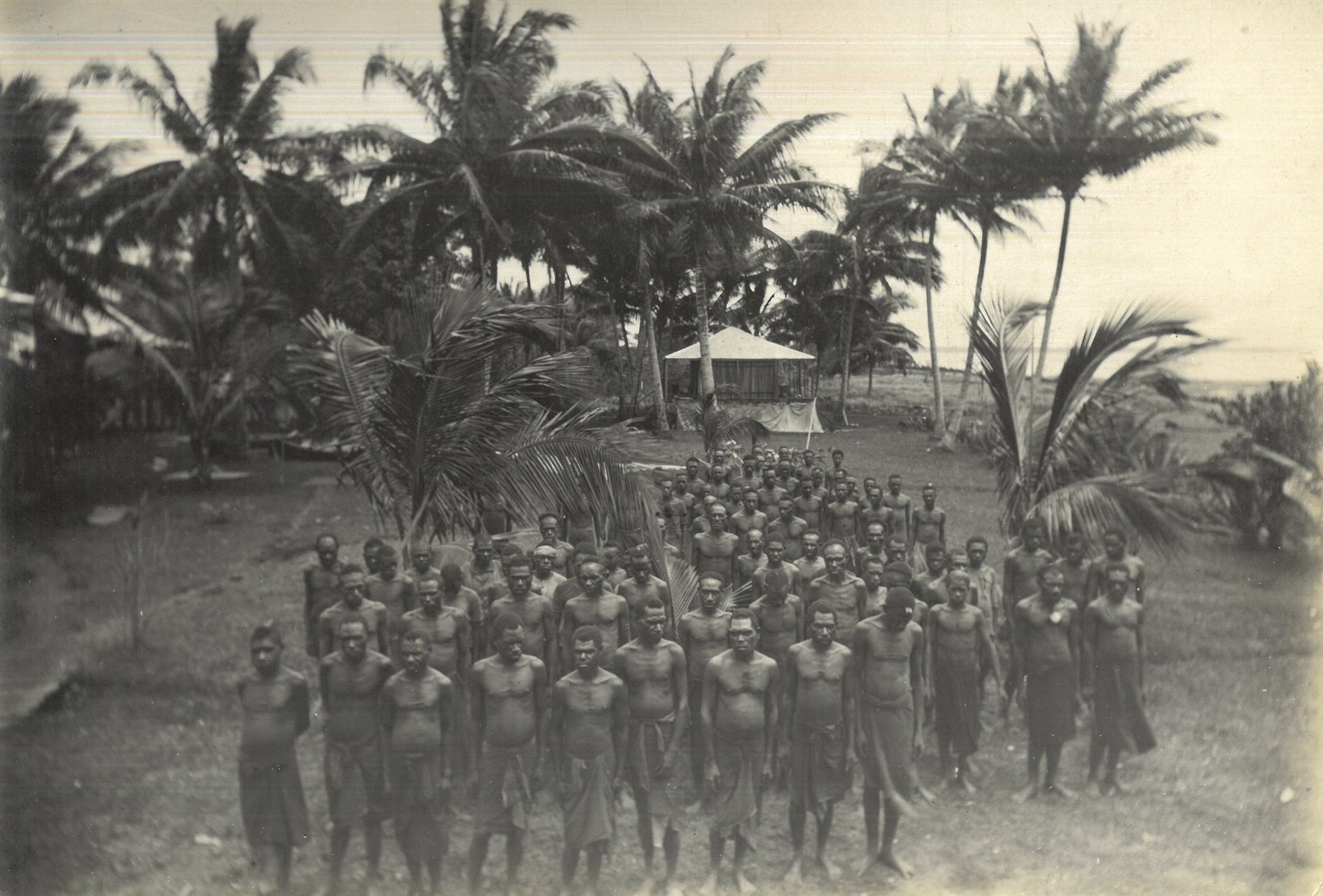
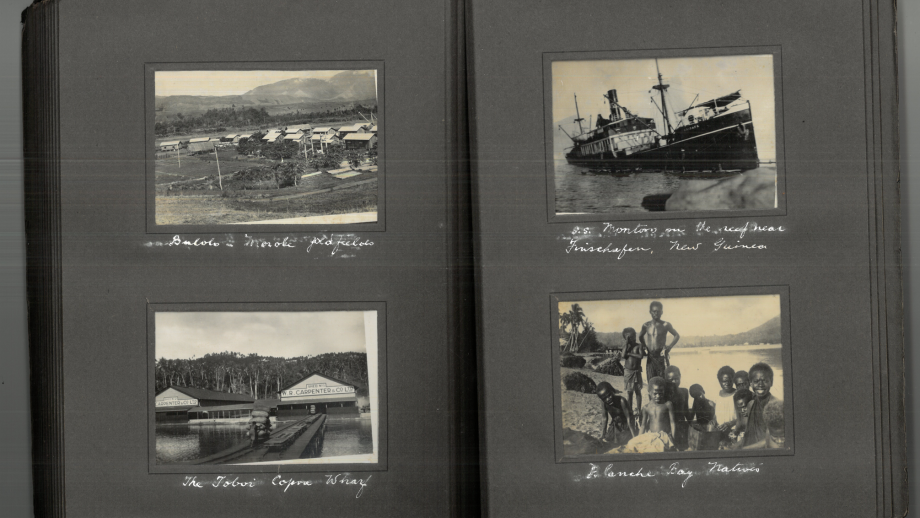
Throughout the latter part of the nineteenth century, increasing trade, particularly for sandalwood, cedar, copra, beche-de-mer and pearl, led to interactions along the coast. Local people were often employed or pressed into service as translators, carriers, labourers, or crew on ships. “Blackbirding” was the term used for kidnapping Pacific Islanders to work on colonial plantations, often in Queensland or other Pacific locations. Blackbirding was officially outlawed in 1884, however that did not stop the practice.
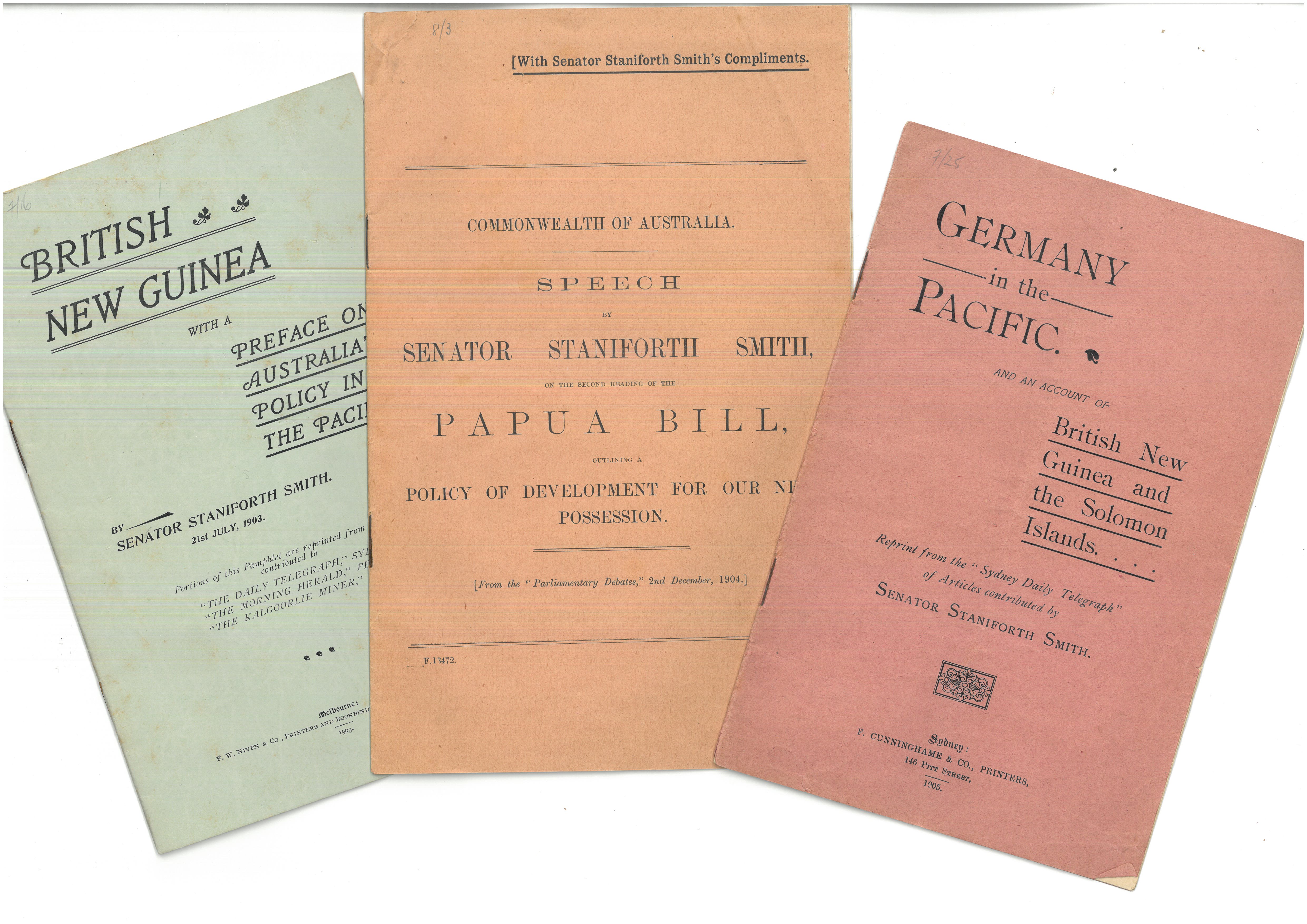
Many British colonies in the Pacific became concerned about Papua New Guinea as German interests began to encroach in the region. The government of Queensland was particularly concerned about German interests in Papua New Guinea, which was often referred to as “a sword of Damocles in the north,” a threat to their security with a potentially unfriendly power so close to the northern coasts of Queensland.
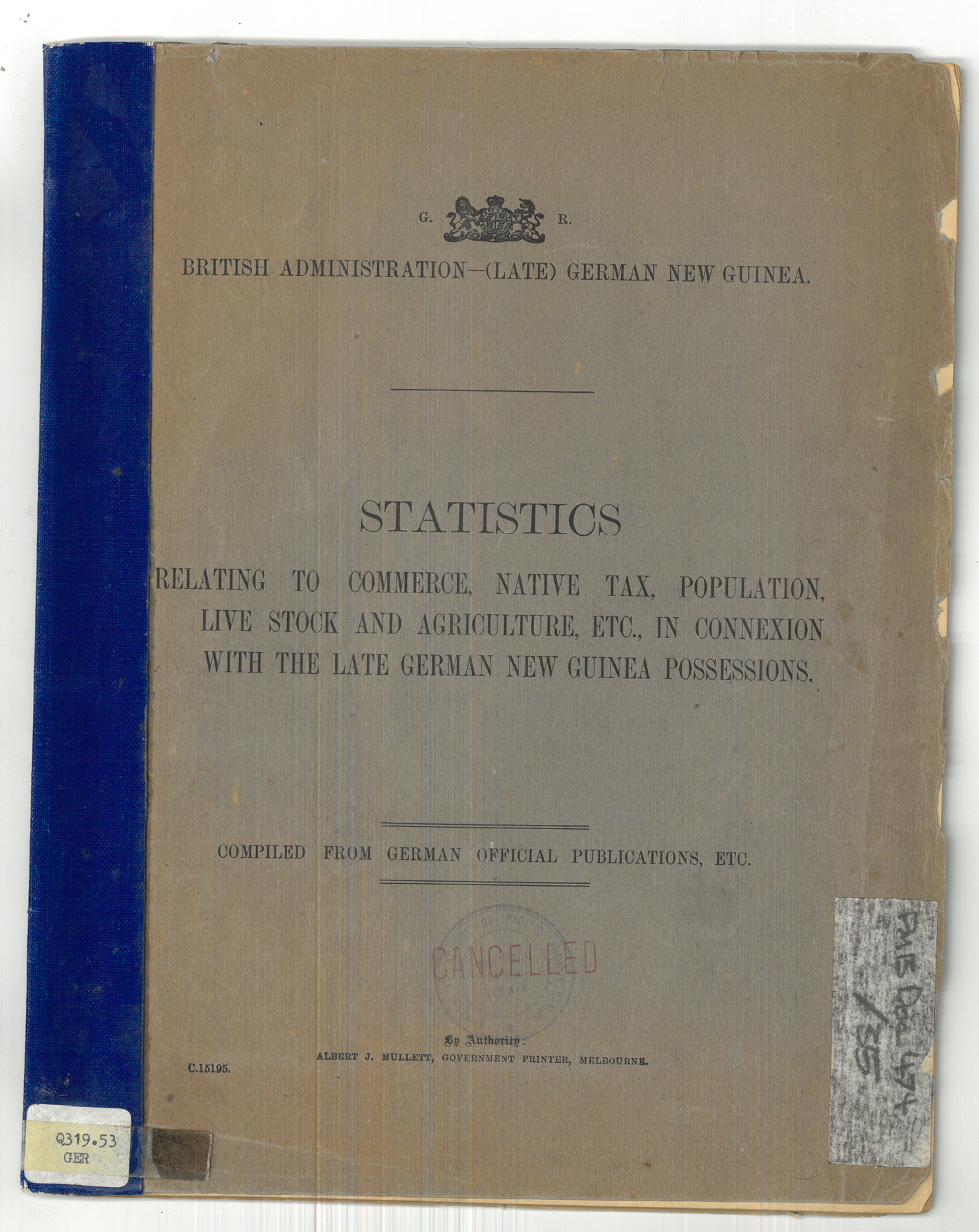
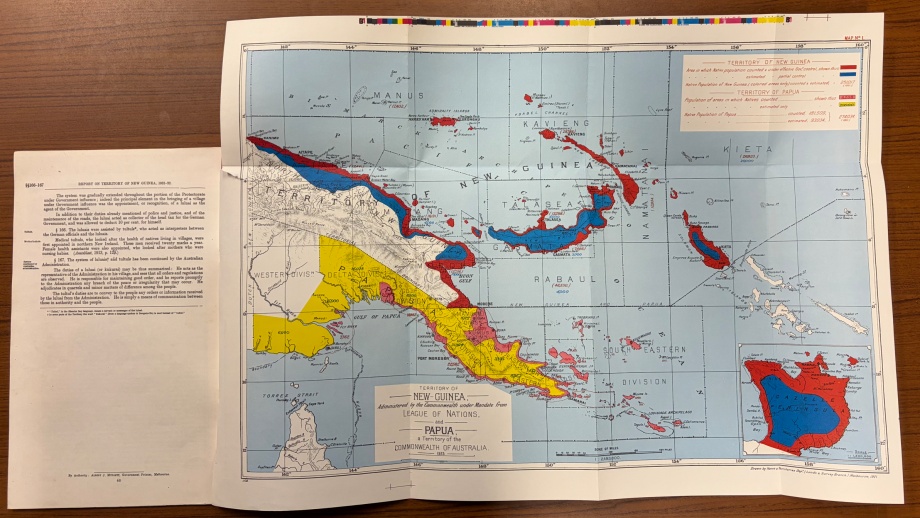
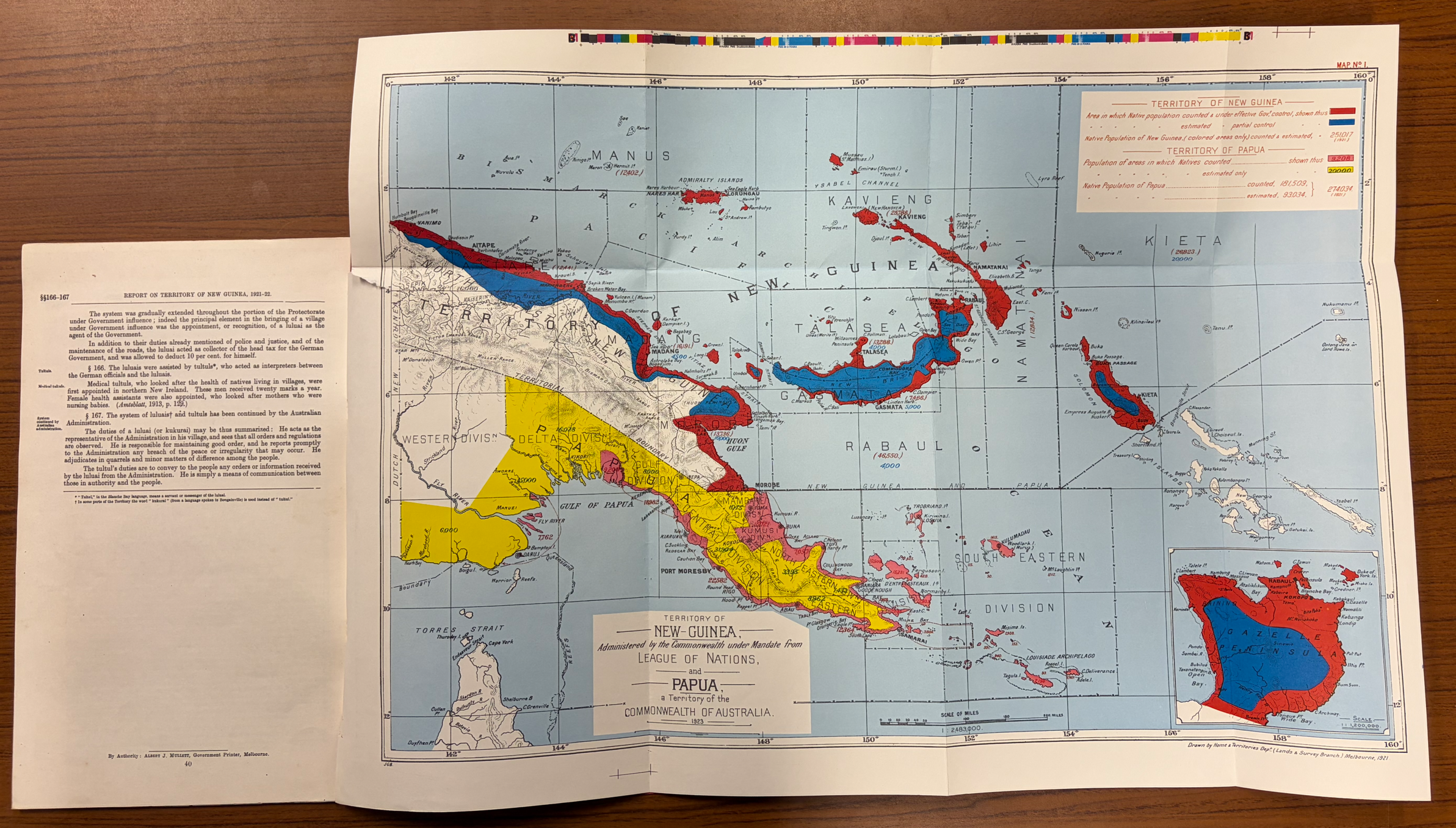
However, the British government had not responded to these fears, so instead the Queensland government, led by Sir Thomas McIlwraith attempted to force their hand by claiming the entirety of the eastern half of the island of New Guinea in 1883, by planting the flag at the settlement of Port Moresby. These actions spurred German trade interests in the north to urge their own government’s annexation of Papua New Guinea. Eventually, a compromise was reached by the British government ant the colonies, and the British annexed the southern portion of Papua New Guinea with the New Guinea and Pacific Jurisdiction Contribution Act of 1884. Germany also acted and on 3 November 1884 a German protectorate was declared over the north-east section of the island of New Guinea. A common boundary was agreed upon the following May, and in September of 1886 the Territory of Papua was annexed as a British Crown Colony. Papua New Guinea was to remain divided for many years, with British New Guinea in the south (later renamed the Territory of Papua following the 1905 Papua Act), and German New Guinea in the north, with the mainland of German New Guinea named Kaiser-Wilhelmsland.
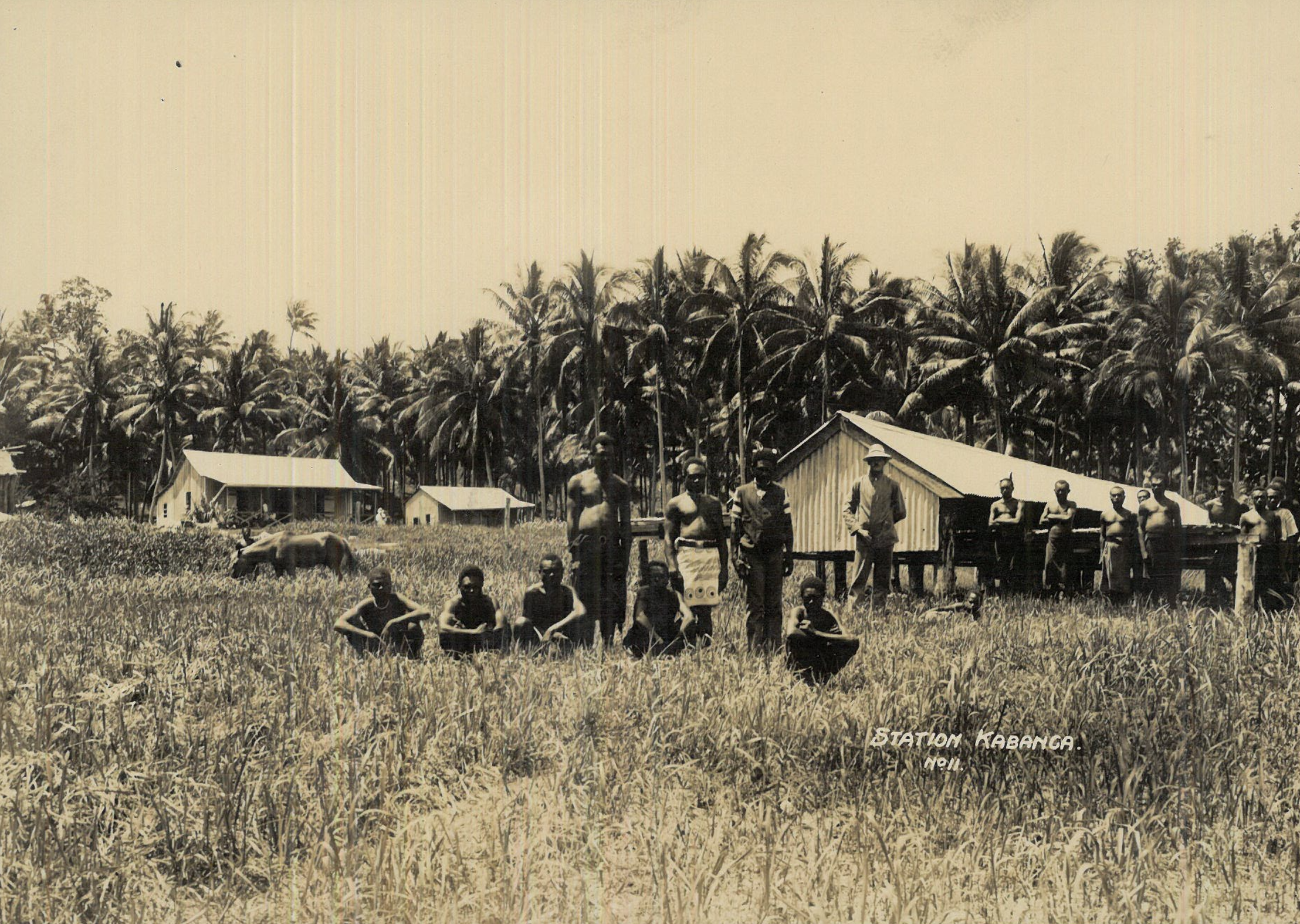
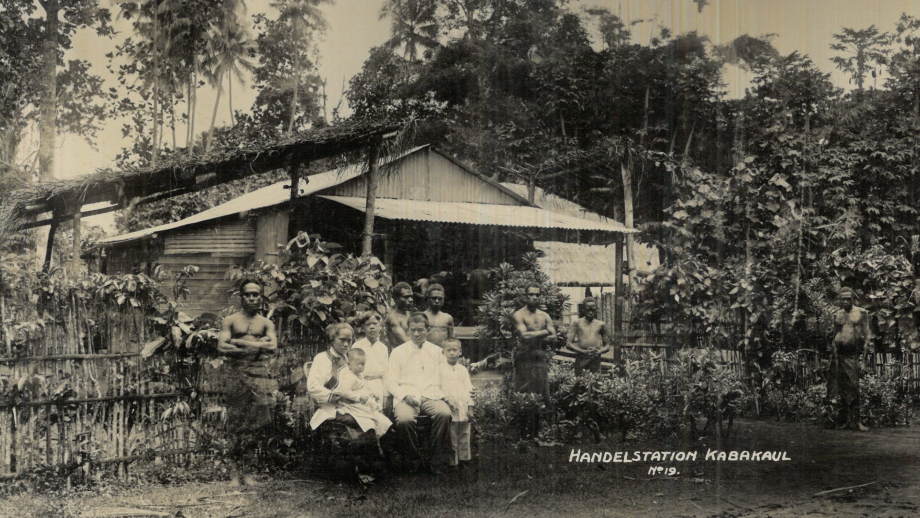
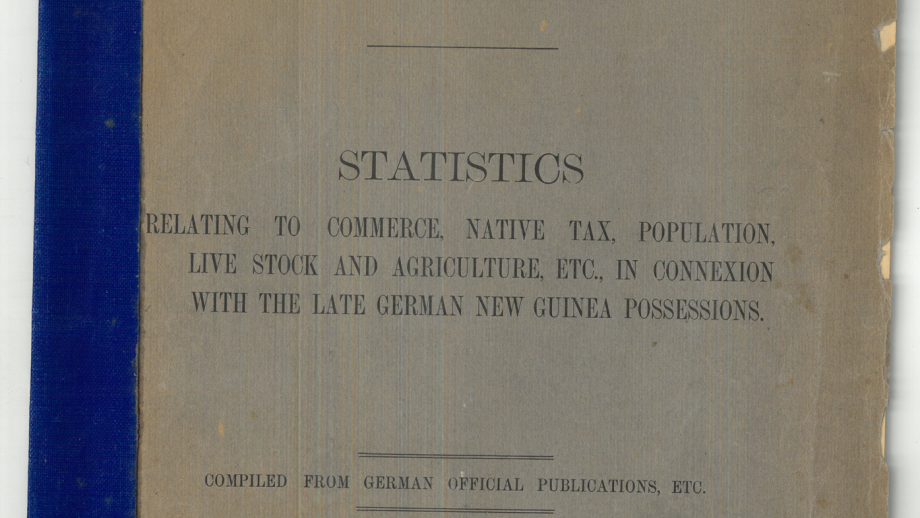
The economies and policies of the British Territory of Papua and German New Guinea varied greatly, although both sought to take advantage of the natural resources available in Papua New Guinea. Unlike in the south, German New Guinea was not under the direct control of the government, but the Deutsche Neuguinea-Kompagnie, which aimed to exploit the land and labour of Papua New Guinea, particularly in the coastal areas. The Deutsche Newguinea-Kompagnie also recruited indentured labour among Chinese and Malay communities. There were comparatively few restrictions on immigration in German New Guinea, in comparison with its southern neighbor, which was hampered by Australia’s Immigration Restriction Act of 1901, also known as the “White Australia” policy. A sizeable Asian population, largely Chinese and Malay, as well as Japanese (which enjoyed legal status of Europeans in German New Guinea) settled in Kaiser-Wilhelmsland. The Gazelle Peninsula of New Britain notably had a thriving community of Samoans around the plantation of “Queen Emma,” a Samoan-American businesswoman descended from the Malietoa dynasty who established her plantations around Kokopo, East New Britain.
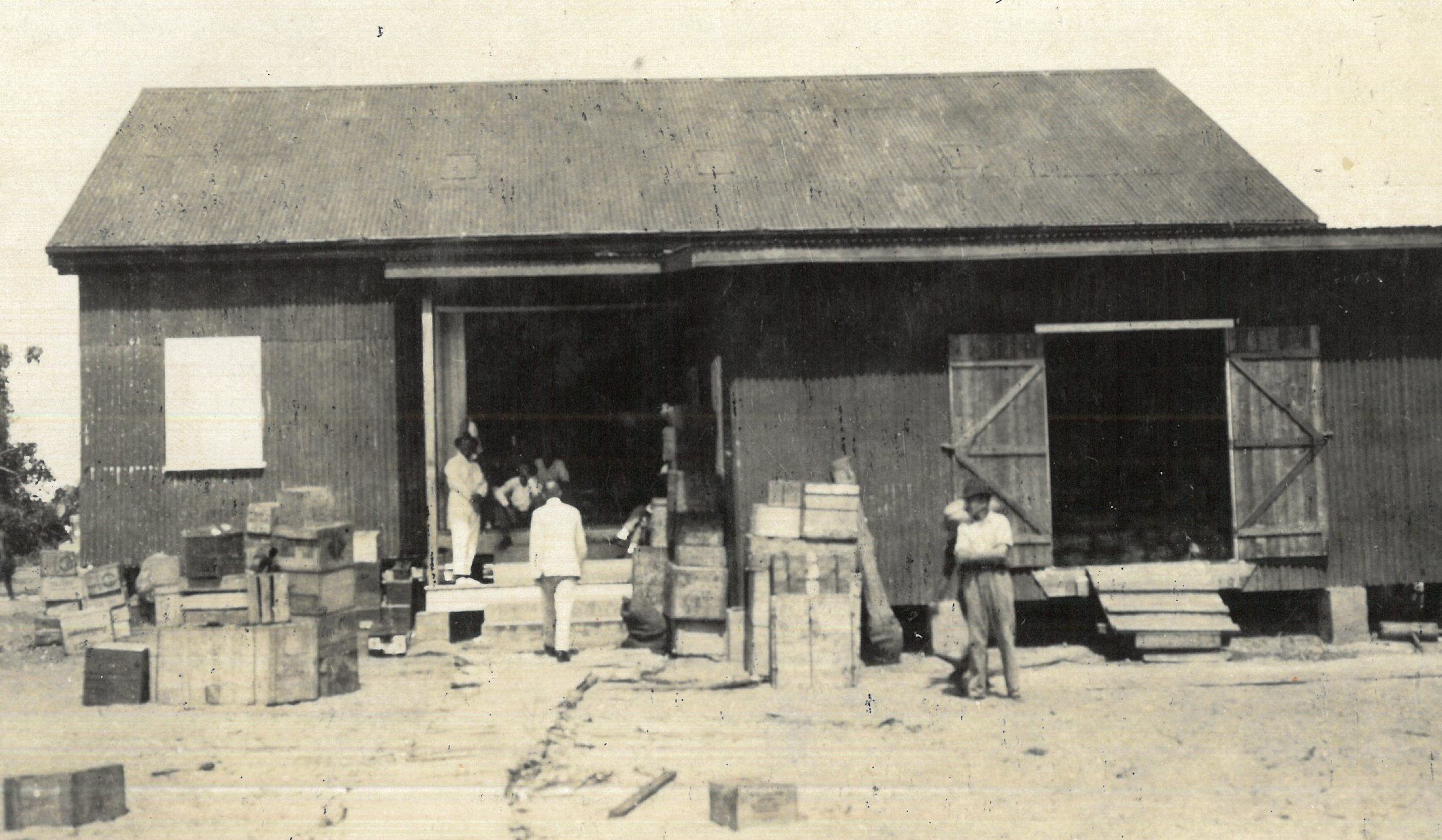
In the latter decades of the nineteenth century and into the twentieth, companies based in Australia, Britain, France and Germany were formed to exploit the resources of Papua New Guinea. These included the Deutsche Neuguinea-Kompagnie (German New Guinea Company) and the British New Guinea Development Company Ltd. Other businesses expanded their interest in Papua New Guinea, including Deutsche Handels und Plantagen-Gesellschraft de Sudseeinselm (Germany) and Burns Philp (Australia).
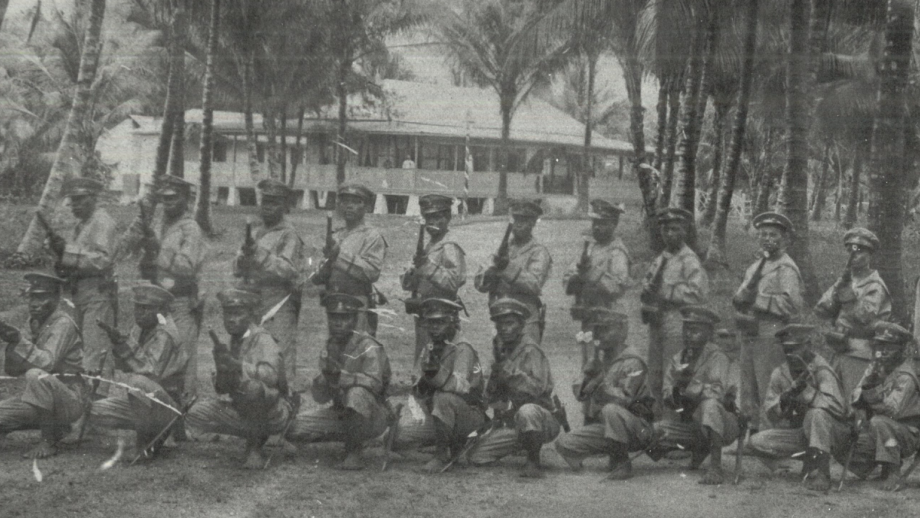
When World War I broke out in July 1914, Germany did not have sufficient troops or ships in place to protect their territories in the Pacific. Most German military in Papua New Guinea were police, which were quickly overwhelmed by the more numerous Australian forces that arrived on 11 September 1914. During the war, Australia largely left German non-combatants, businesses, and plantations alone. Unable to send profits to Germany, local businesses invested instead in Australian enterprises such as Burns Philp and W. R. Carpenter. After the war, the League of Nations gave Australia a mandate to govern German New Guinea, and from 1921 to 1942 the area was known as the Mandated Territory of New Guinea. New Guinea was administered separately from the southern Territory of Papua, even though both were Australian-administered territories. Many German plantations were sold under the Expropriation Board to British and Australian buyers.
Government control, in both the territory of New Guinea and Papua, was largely confined to the coastlines before World War I. After the war, government influence expanded, largely following rivers. By 1922 the reach of the government had extended up the Waria and Markham. Roughly ten years later, government influence covered both sides of the Sepik as far as Ambunti, which became a District Office in 1924, and continued up the Markham and covered the Morobe District, as well as making inroads in the inland areas of New Britain. By 19369, patrols and government influence were experienced throughout the Highlands, across the Asaro Valley, Chimbu Gorge, and even the Wahgi Valley as far as Mount Hagen.
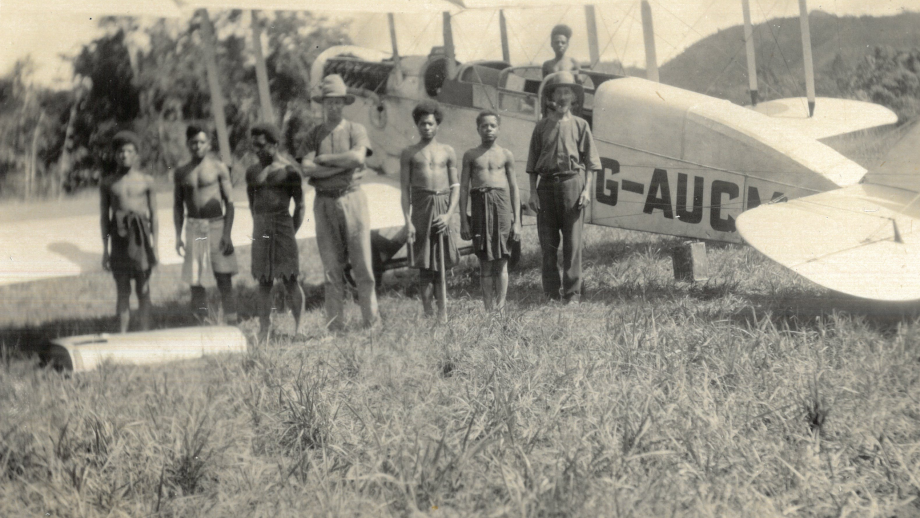
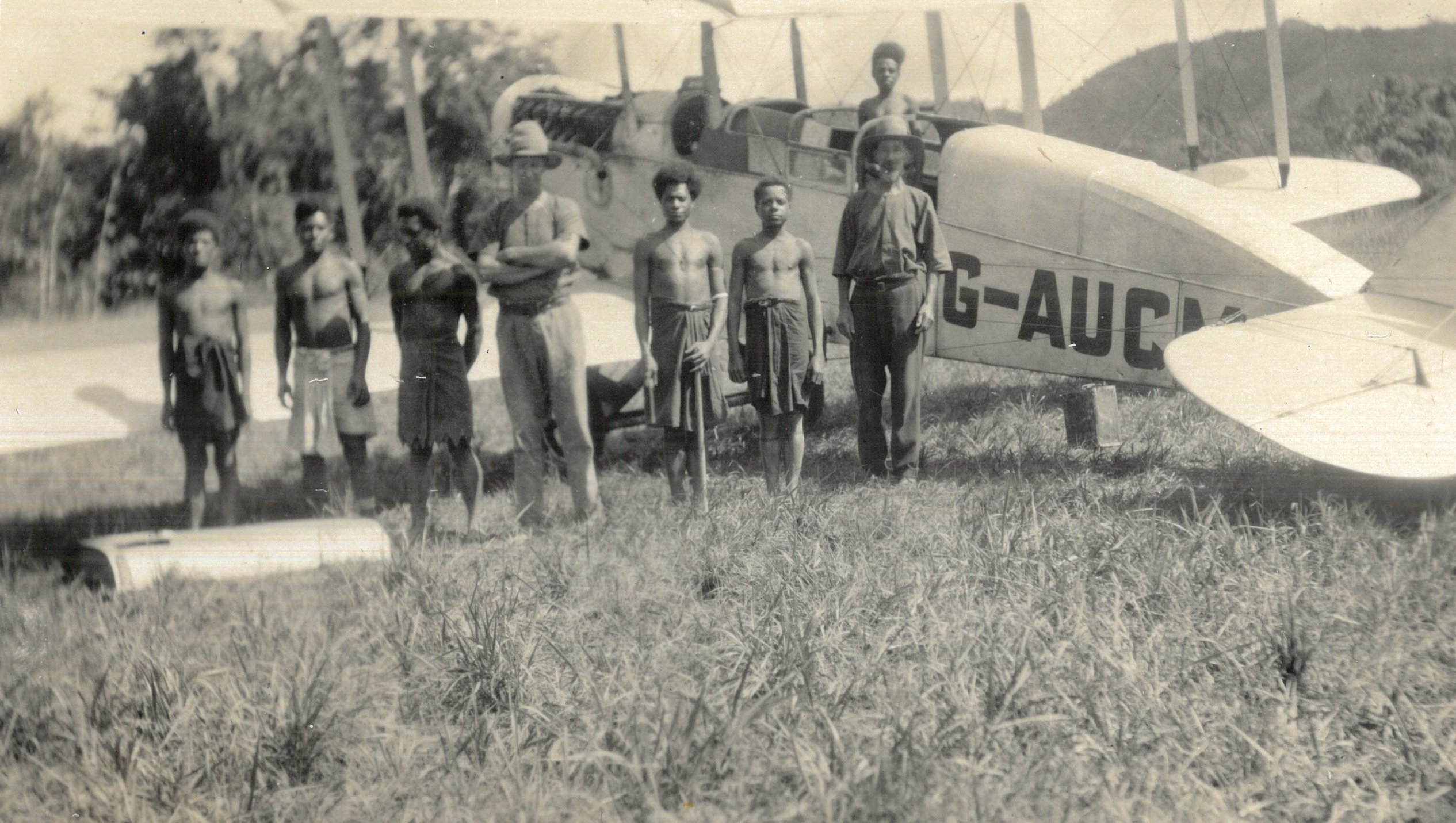
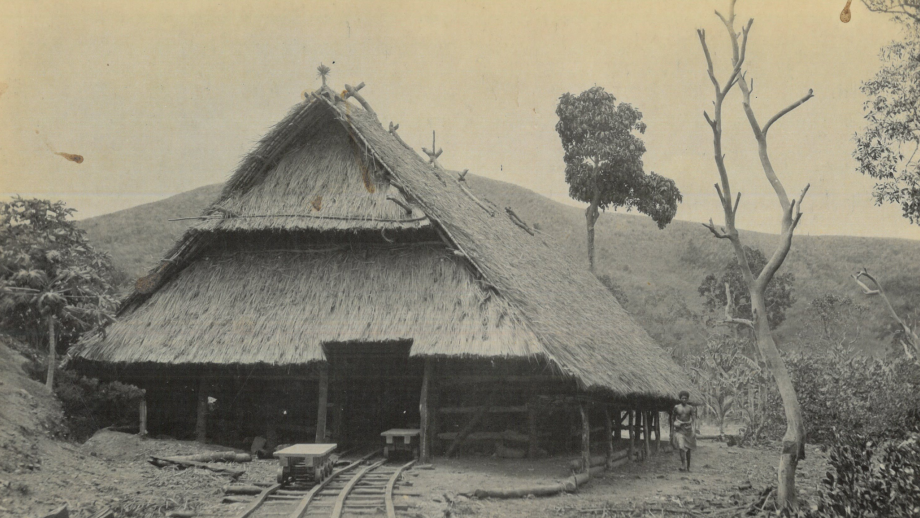
In addition to the government, prospectors fanned out across Papua New Guinea after a rich alluvial gold field was found on a tributary of the Bulolo River in 1926. Large companies took advantage of the alluvial gold fields, and smaller prospectors dispersed over the Sepik and Bougainville to try their luck. Within a few years, thousands of Papua New Guineans were working as labourers in the gold mines.
Papua New Guinea was seen by Australians as a territory to be exploited for its natural resources and labour. Burns Philp and W. R. Carpenter dominated the plantations as prospectors hunted for metals, minerals, and oil to extract. Burns Philp, in particular, was in a favoured position, not only holding a subsidized shipping monopoly to Papua New Guina, but also having its former Island Manager, W. H. Lucas, as head of the post-war Expropriations Board in the former German New Guinea, selling off the assets of German businesses, including more than 300 plantations. One senator remarked “there is too much Burns Philp entering into the administration, and too little regard for the real welfare and advancement of the Territory.”
Despite Australia’s promises and claims to promote the welfare of Papua New Guineans, as was required in the New Guinea Territory under its League of Nation’s mandate, commercial interests came first. Although wealth was accumulating from exploiting Papua New Guinea’s natural resources, particularly in the goldfields, less was spent on education in New Guinea in the 1930s than it had a decade earlier.
As the beginning of World War II approached, Papua New Guinea was not prepared for invasion. Per the League of Nations mandate, Australia had not built fortifications in the territory of New Guinea and boasted only a native police force of roughly 1,200 New Guineans. The Territory of Papua was not much better, only having the addition of the first Papua Infantry Battalion. Most of the population was completely unprepared for the war to come.
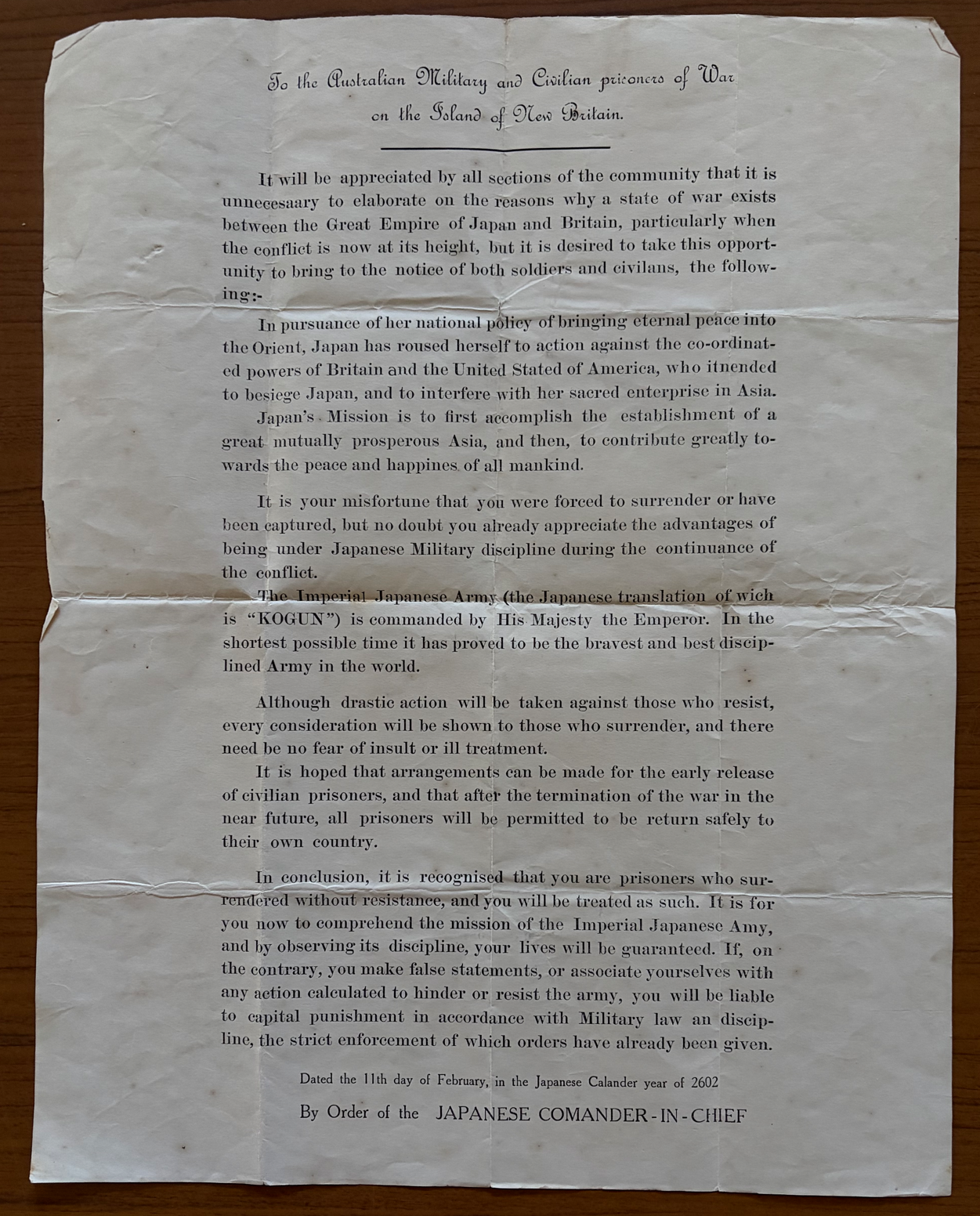
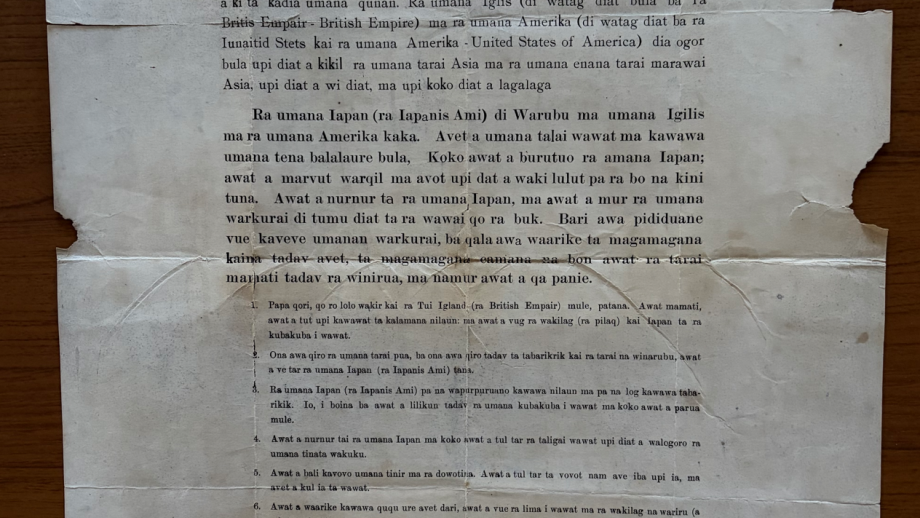
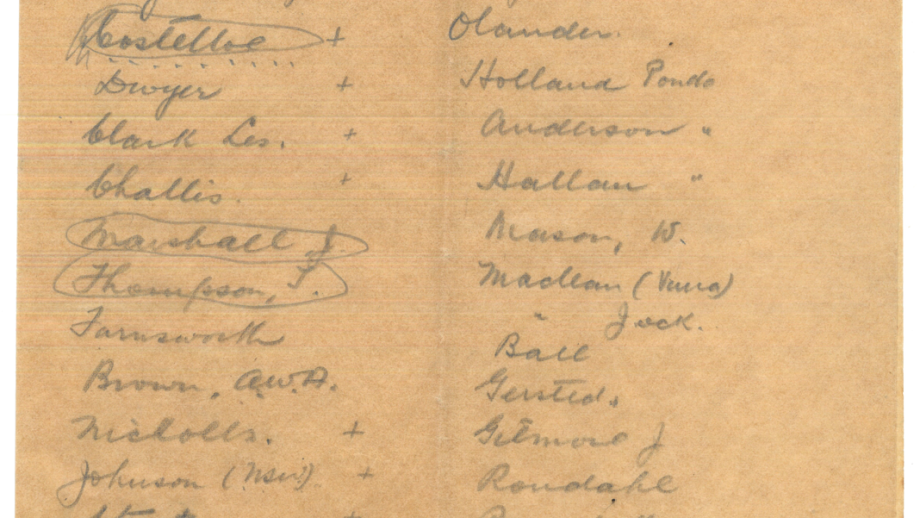
On 23 January 1942, Japanese troops landed in Rabaul harbour. Although Australia sent 1400 troops to defend the city, it quickly fell to the more than 5000 Japanese troops. Many captured soldiers were executed at nearby plantations. Nearly all remaining captured soldiers and civilians were killed as they were being transported on the Montevideo Maru, which was mistakenly sunk by a US submarine.
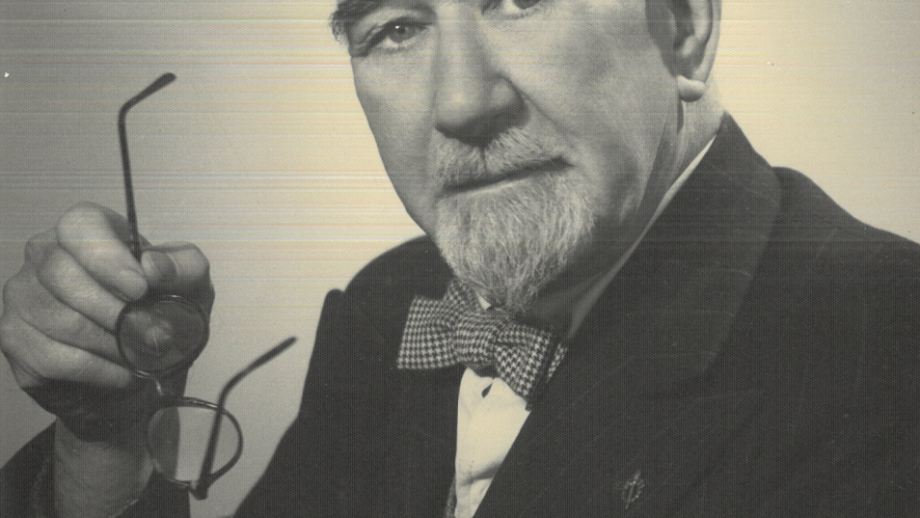
Port Moresby in the Territory of Papua fared better, as the Japanese were thwarted in their attempt to take the port by sea by a combination of Australian and Allied troops and aircraft. More than half a million members of the Australian military would serve in Papua New Guinea during the war. The war moved inland, with fierce fighting along the Kokoda Trail. In such a remote location, Australian troops were often completely reliant on Papuan assistance and supply lines. Australian news reports of the war brought Papua New Guinea into the wider Australian consciousness in an entirely new way, especially in the films, books, and poems written about or by the soldiers, such as Sapper Bert Beros. The idea of the loyal and steadfast Papua New Guinean supporting and fighting alongside the Australian soldiers permeated Australian society. While largely paternalistic, this was in ways an improvement over previous prejudice.
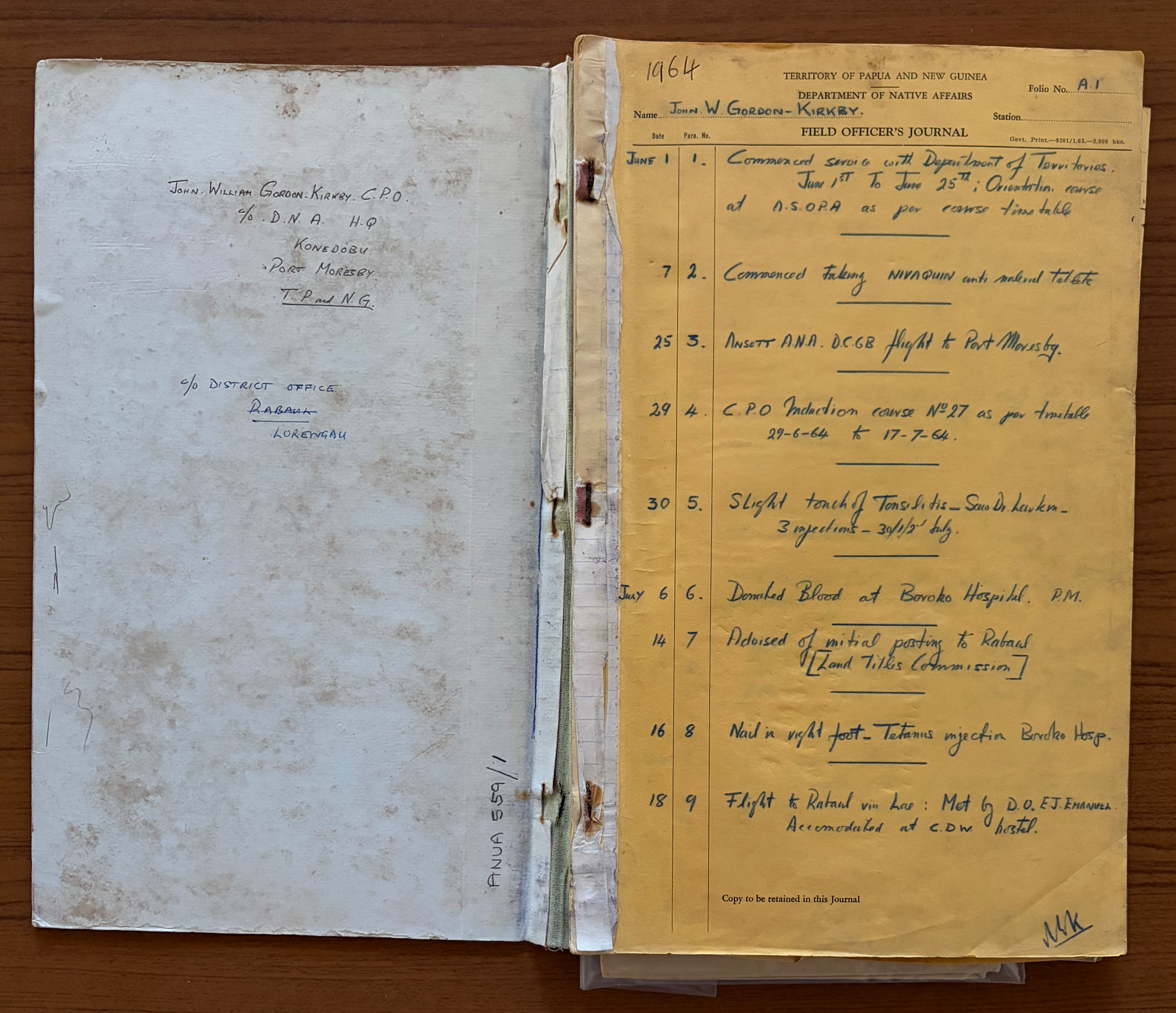
After World War II, the Australian administration in Papua New Guinea expanded greatly, especially in the amounts of land brought under government control. Even before the war, the territories were largely administered by district and patrol officers who expanded the government’s control beyond the administrative centres into the interior of Papua New Guinea. These officers were called Kiaps, a Tok Pisin word from the German Kapitan.
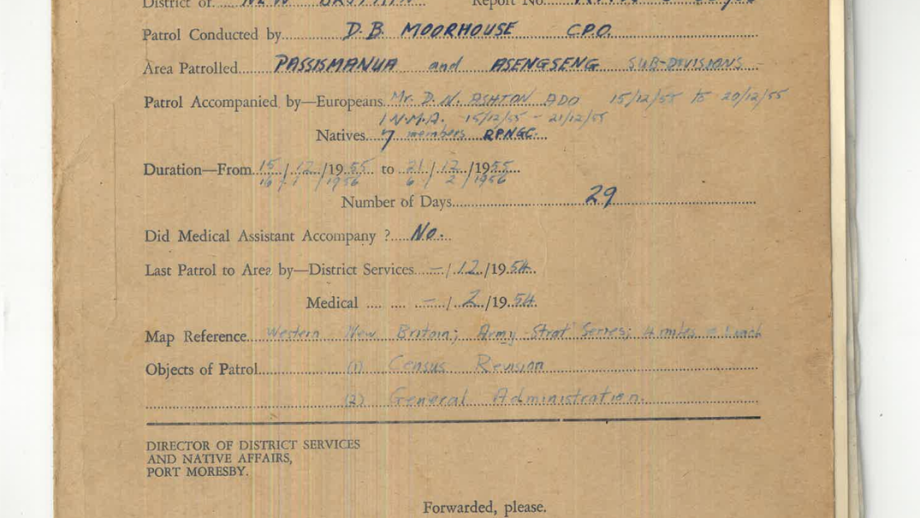
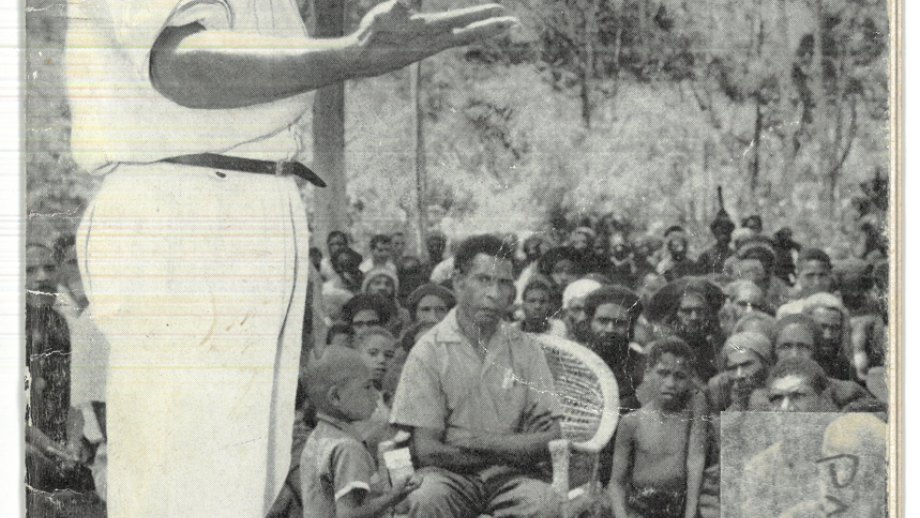
Until full independence in 1975, kiaps were the main point of contact with the government for a large number of Papua New Guineans. In the early days, kiaps conducted patrols, mapped areas, and contacted new vultures. Due to cultural misunderstandings, violent clashes sometimes occurred, as kiaps and their patrol groups ignorantly transgressed against local cultural norms. Punitive patrols were curbed by Sir John Hubert Murray (Lieutenant Governor of the Territory of Papua, 1908-1940), when he issued the directive on “Firing on Natives” instructing officers that they were not to shoot people to punish them, and setting rules around when firearms might be used. While this did not stop violence, it meant an officer would face an inquiry if firearms were used.
A kiap patrol to explore and map territory was often the first contact Papua New Guineans living in the interior of the country would have with the colonial government that purported to govern their country. In 1933, Patrol Officer Jim Taylor, accompanied by prospectors Mick and Dan Leahy and eighty Papua New Guinean police and carriers, became the first patrol to enter the Wahgi Valley. A later patrol by Jim Taylor was forced to defend themselves when they stepped into the midst of inter-tribal warfare. While patrol officers, with their wide-ranging powers, with little to no oversight or recourse in undeveloped areas, were often resented, they also represented peace and stability as they halted tribal warfare, vendettas, and revenge murder as the solution to disputes, and introduced the legal system of the colonial government. It was not until 1963 that the last remote areas of Papua New Guinea were officially declared to be under the control of the colonial government. However, that control continued to be a very loose term, with Sir Paul Hasluck (Minister for Territories, 1951-1963) remembering:
“the meaning of control in its barest essentials was that an area had been penetrated by Administration patrols, contact had been made with most of the people in the area, a number of patrol posts had been set up as points of continuing contact, the people had been roughly enumerated and made familiar with the basic idea of law and order, namely that they should not kill each other, that they should take their disputes to the white officer of the Administration to be settled.”
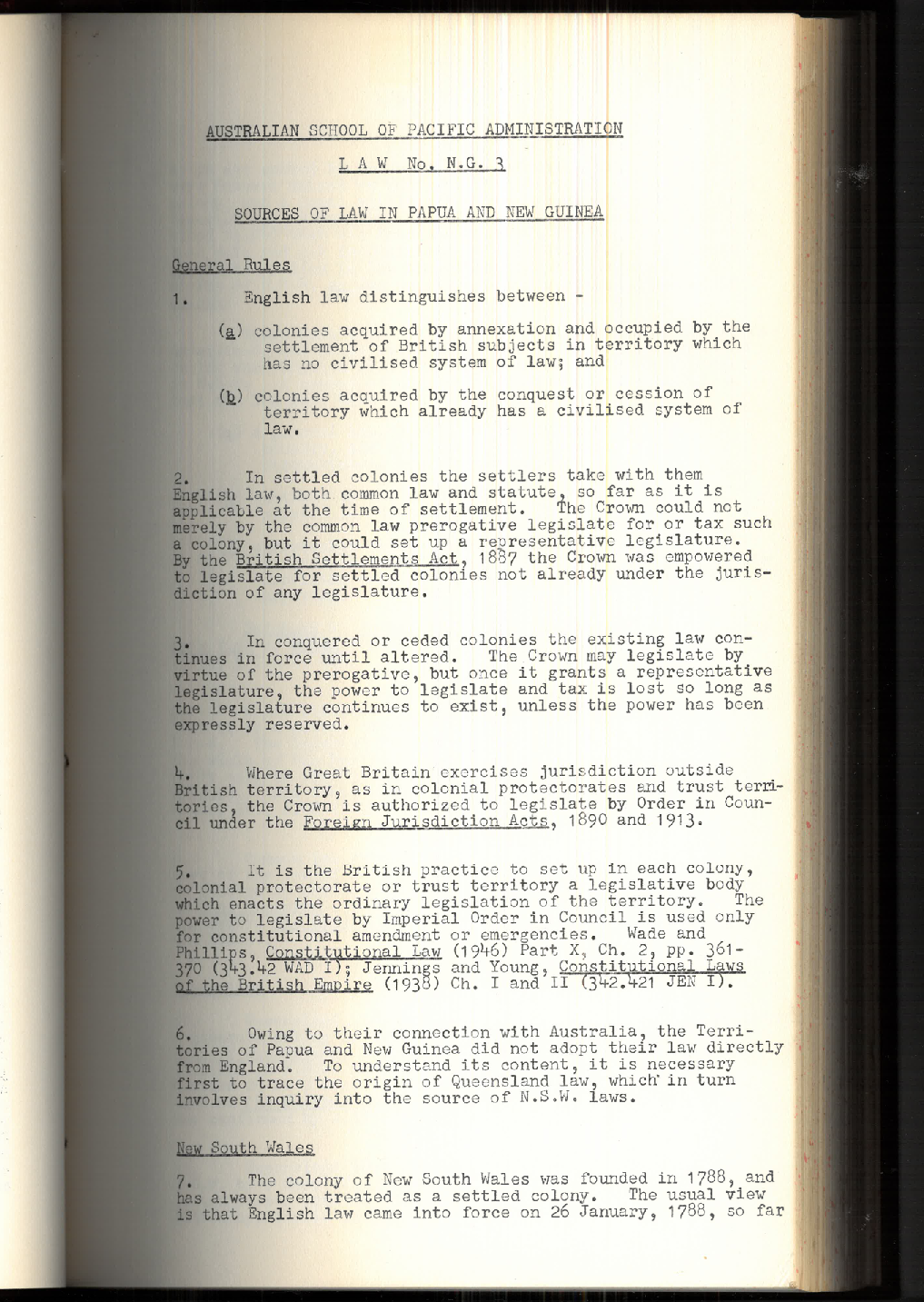
In the early days most kiaps had wide-ranging powers, including those of “district administrator, commissioned policeman, magistrate, gaoler” and in remote areas he may also be expected to take on the tasks of “engineer, surveyor, medical officer, dentist, lawyer, and agricultural adviser.” In order to adequately fulfill these roles, prior to the outbreak of World War II, officers of the Australian colonial administration of Papua New Guinea took courses in law, anthropology, and tropical medicine before setting out for their posts. After the war, a School of Civil Affairs was established in 1945, with the mission of training officers for service in the two territories of Papua and New Guinea at the Royal Military College, Duntroon.
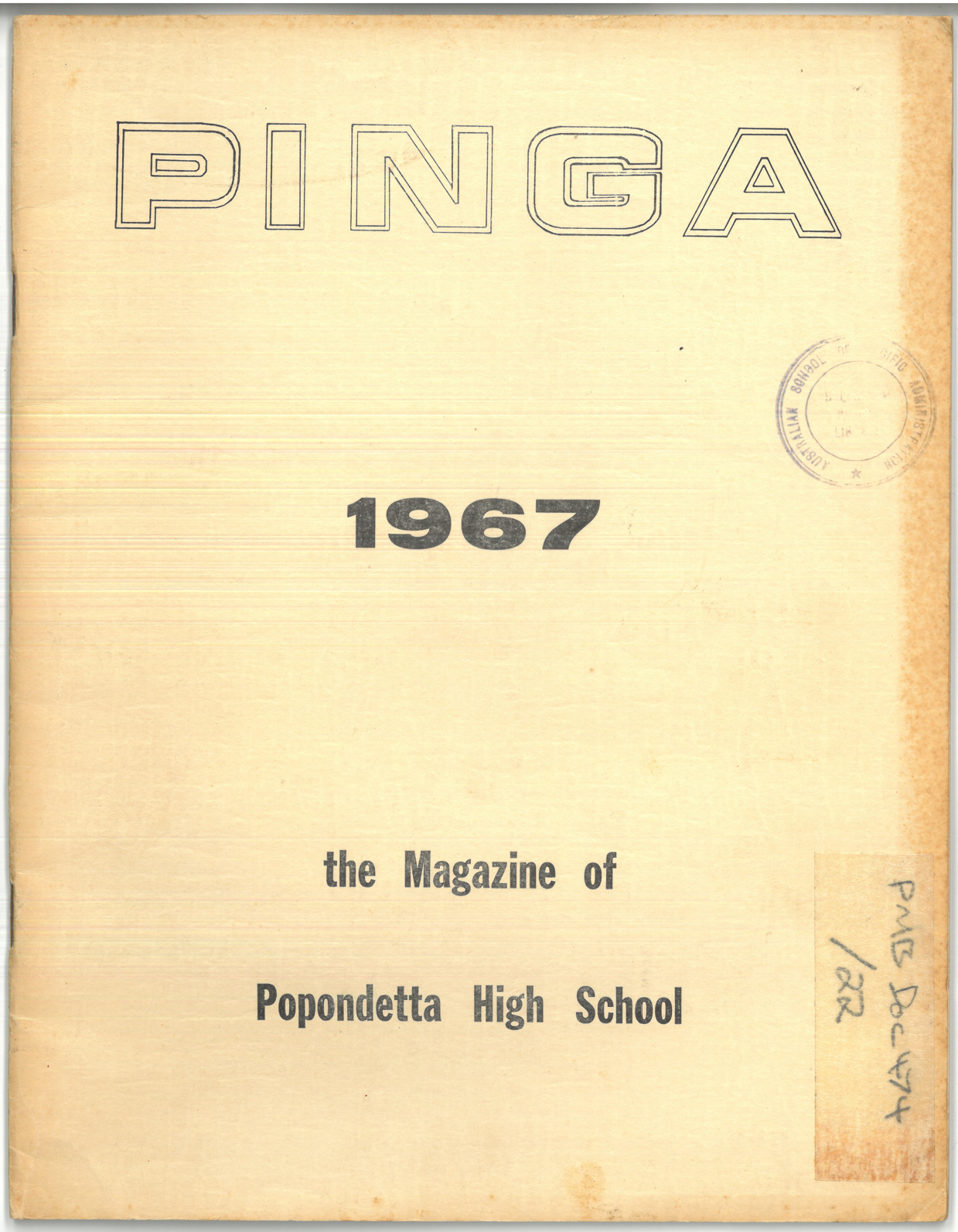
However, in March 1946 the School of Civil Affairs became a civil institution and was renamed the Australian School of Pacific Administration (ASOPA). ASOPA relocated to Mosman in 1946 and later to Middle Head in 1947. Many talented scholars of the Pacific were recruited to lecture at the school, such as W. E. H. Stanner, Marie Reay, and Kenneth Read of the Australian National University. More than 1400 officers were trained at ASOPA before it closed in 1973.
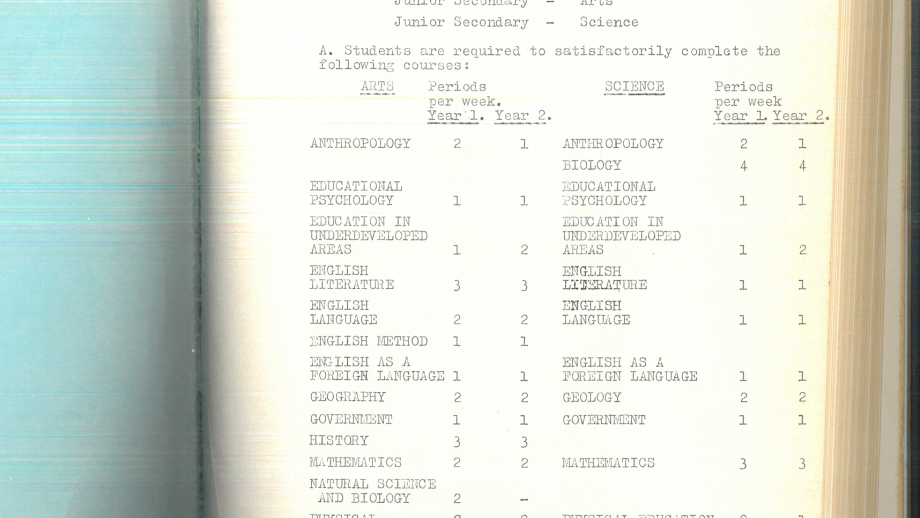
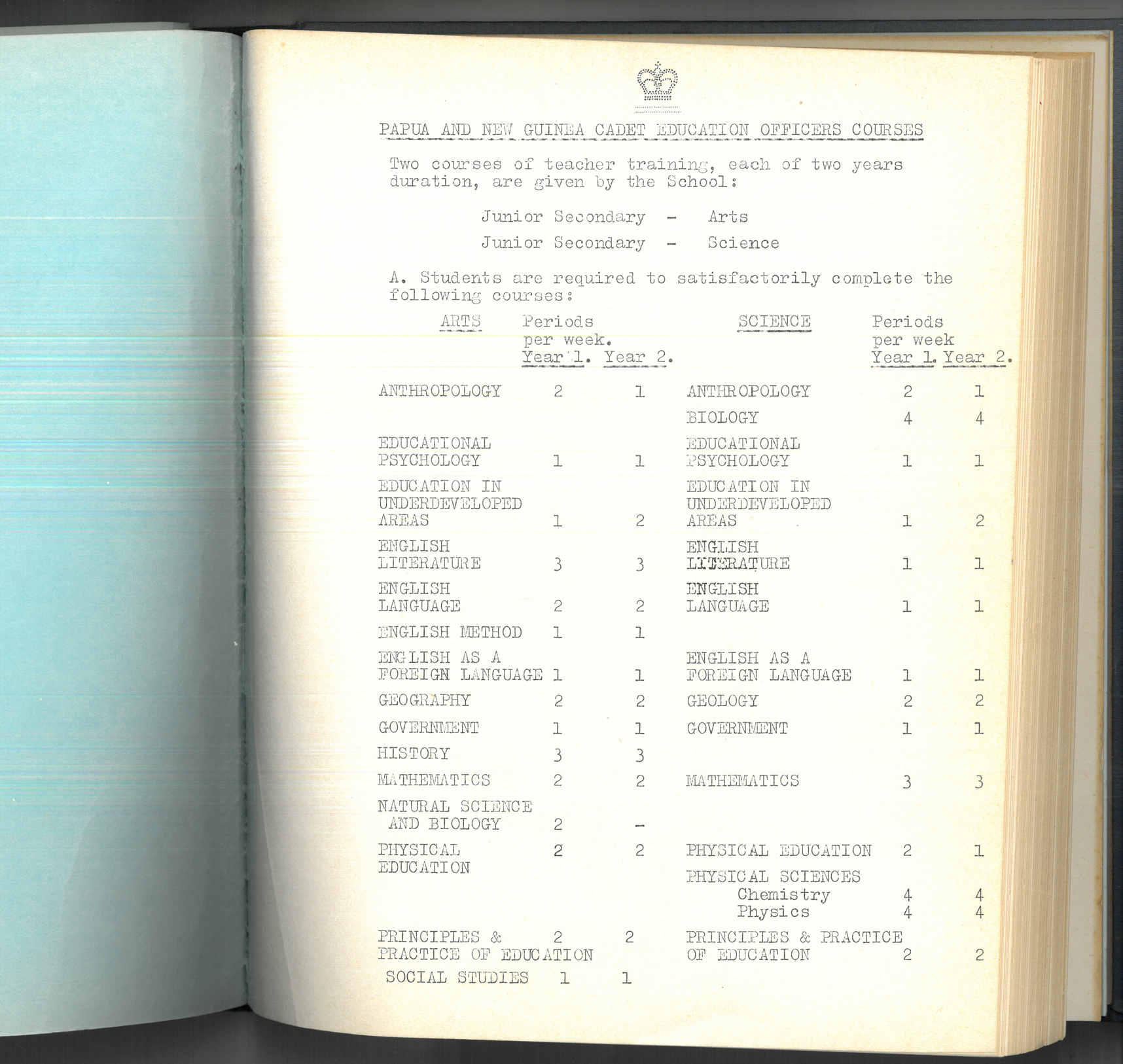
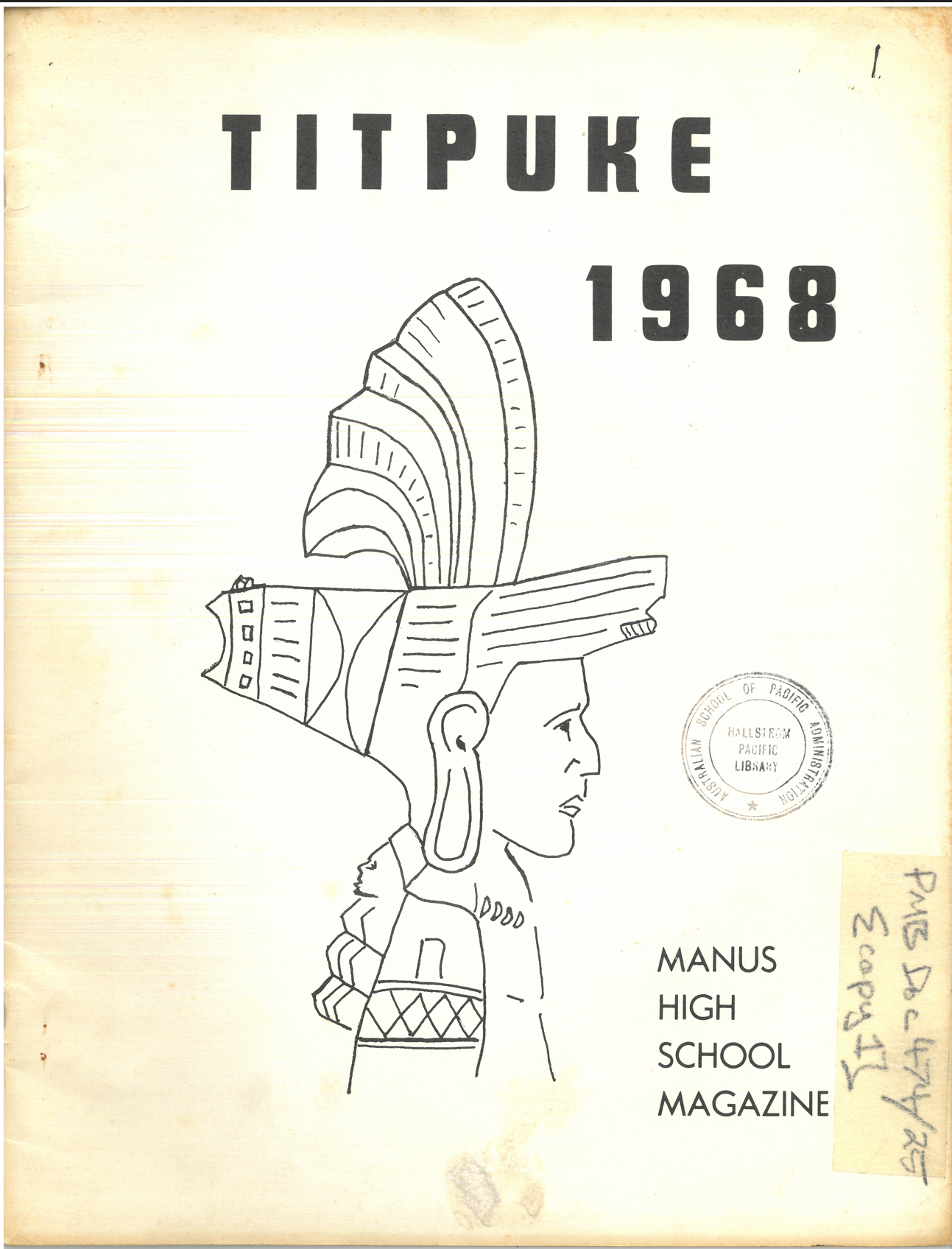
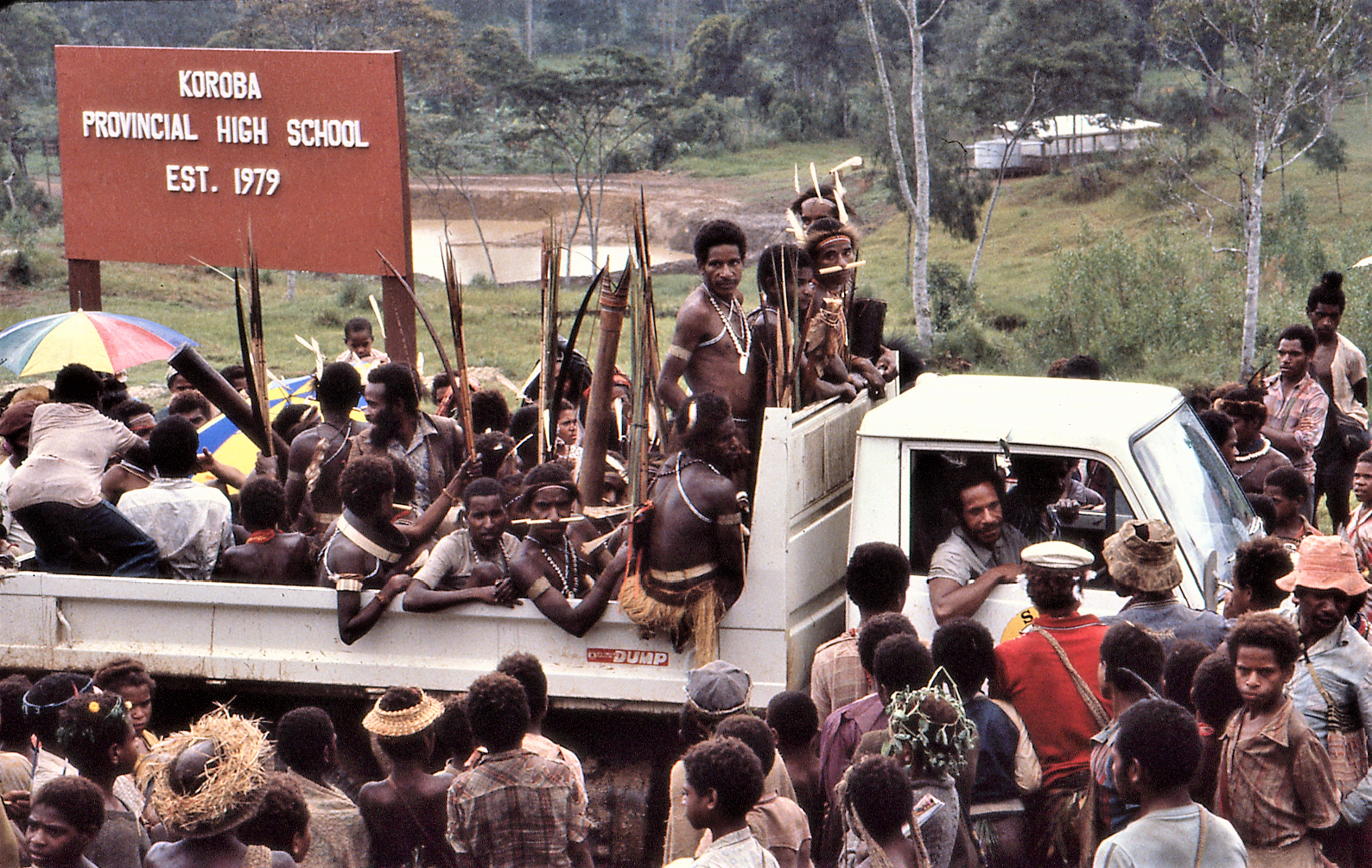
In 1954, ASOPA expanded from training the officers of the Australian colonial administration of Papua New Guinea and began to offer courses for Australian teachers to work in Papua New Guinea. Trainee teachers were called “Cadet Education Officers” and this expansion coincided with the push for Australia to invest in education in Papua New Guinea in a way that it had not ever been addressed prior to World War II. This accelerated, with expanded courses for teachers in secondary education as the date for independence loomed.
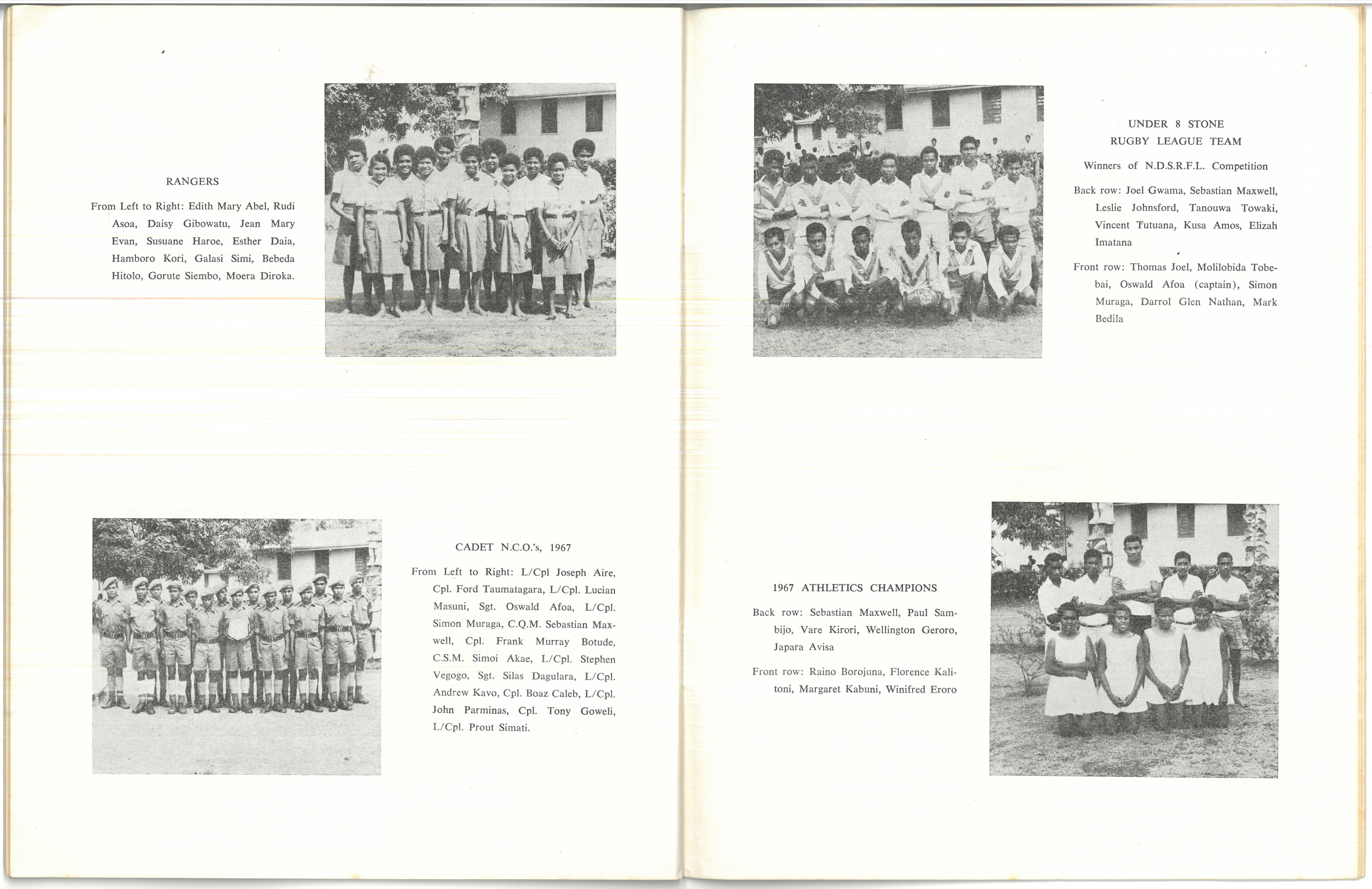
In its final years, ASOPA saw its first Papua New Guinean students, who were given training in administration, as the training of new Australian officers was discontinued. In 1973 ASOPA was renamed the International Training Institute (ITI) and moved under the Australian Development Assistance Bureau in the Department of Foreign Affairs, with a focus of providing administrative training for people across the Pacific, as well as Asia, Africa, and the Caribbean. The ITI became the Centre for Pacific Development and training, continuing its role at Middle Head, NSW until it was disbanded in 1997.
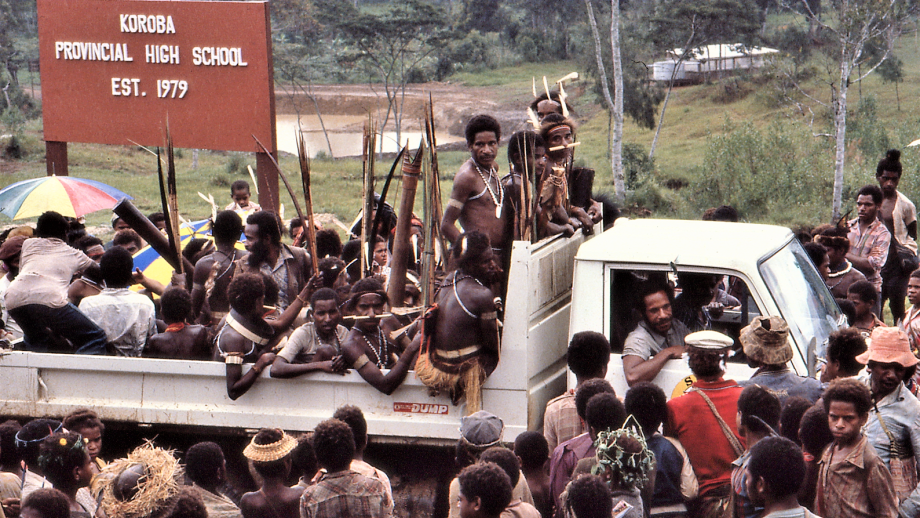
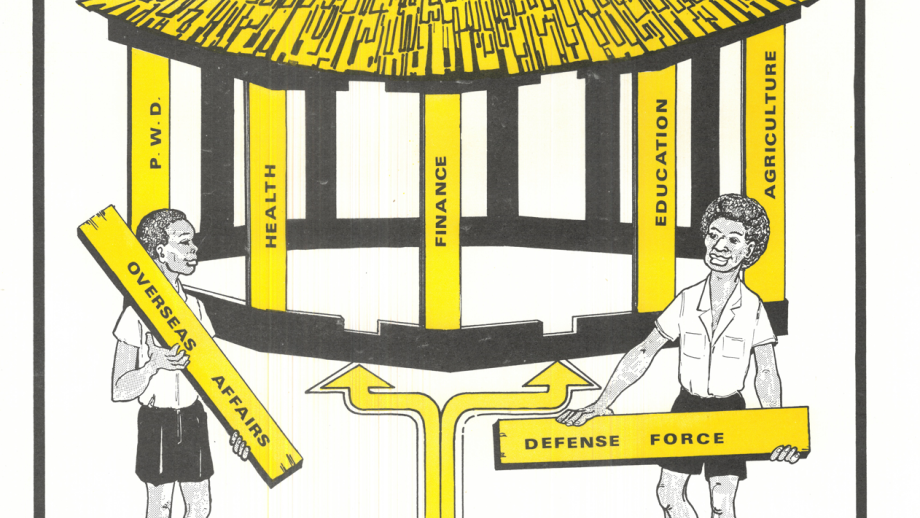
These actions and increased investment in Papua New Guinea post-World War II were a response to mounting demands for the self-governance and independence of Papua New Guinea. It began gradually, with an increased investment by the colonial government in primary education, and providing basic health services, as well as expanding communications, transport, and public works and services in the country, with a focus on cash-cropping schemes of development. A system of local government through village councils was instituted in 1949, starting with just four councils in the Port Moresby and Rabaul areas. By 1960, there were 39 elected village councils, and they would continue to expand across the country, allowing ordinary Papua New Guineans their first experience of self-governance, while still under the colonial structure.
The 1960s saw increasing demands for the self-governance and independence of Papua New Guinea, from outside influences, forces within the Australian government, and from within Papua New Guinea. In December 1960 the United Nations General Assembly passed Resolution 1514 which called for “the independence of all colonial peoples.” This spurred Prime Minister Sir Robert Menzies to speak of the Australian administration of Papua New Guinea “if in doubt you should go sooner, not later. I belong to that school of thought myself now.” In 1962, the United Nations commissioned a World Bank development plan for Papua New Guinea which emphasized the need that “Australia should substantially concentrate its efforts on the advancement of the native people… by accelerating his training and education… the native farmers to take a major part in increasing production.” By the end of the year, the Legislative Council recommended the establishment of a national House of Assembly, with more elected members, a recommendation echoed by the United Nations Visiting Mission. The House of Assembly replaced the Legislative Council with its first members elected in 1964. The 1964 general elections for members of the new House of Assembly were a turning point, the first elections for all adult citizens in the territory. A Select Committee was established to draft a constitution, and map possible avenues towards independence. The reach of local government councils also expanded during this period, with 109 local government councils being elected by 1965.
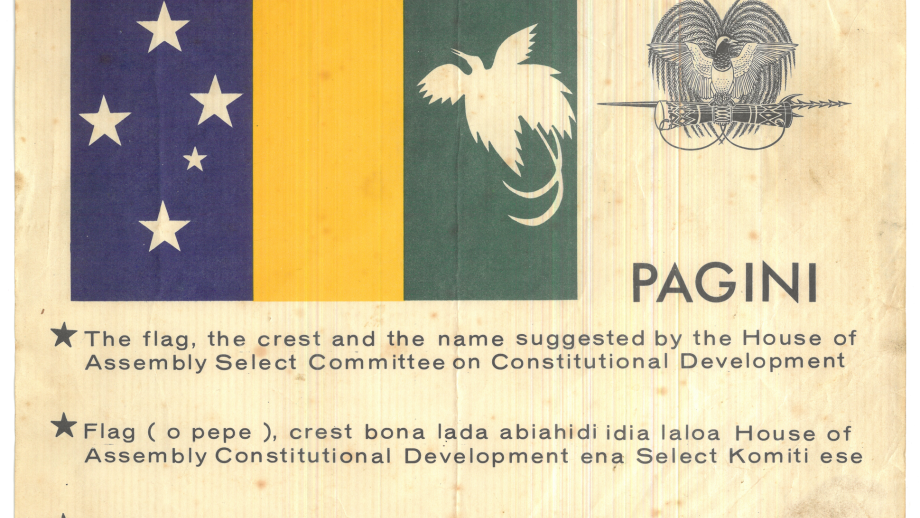
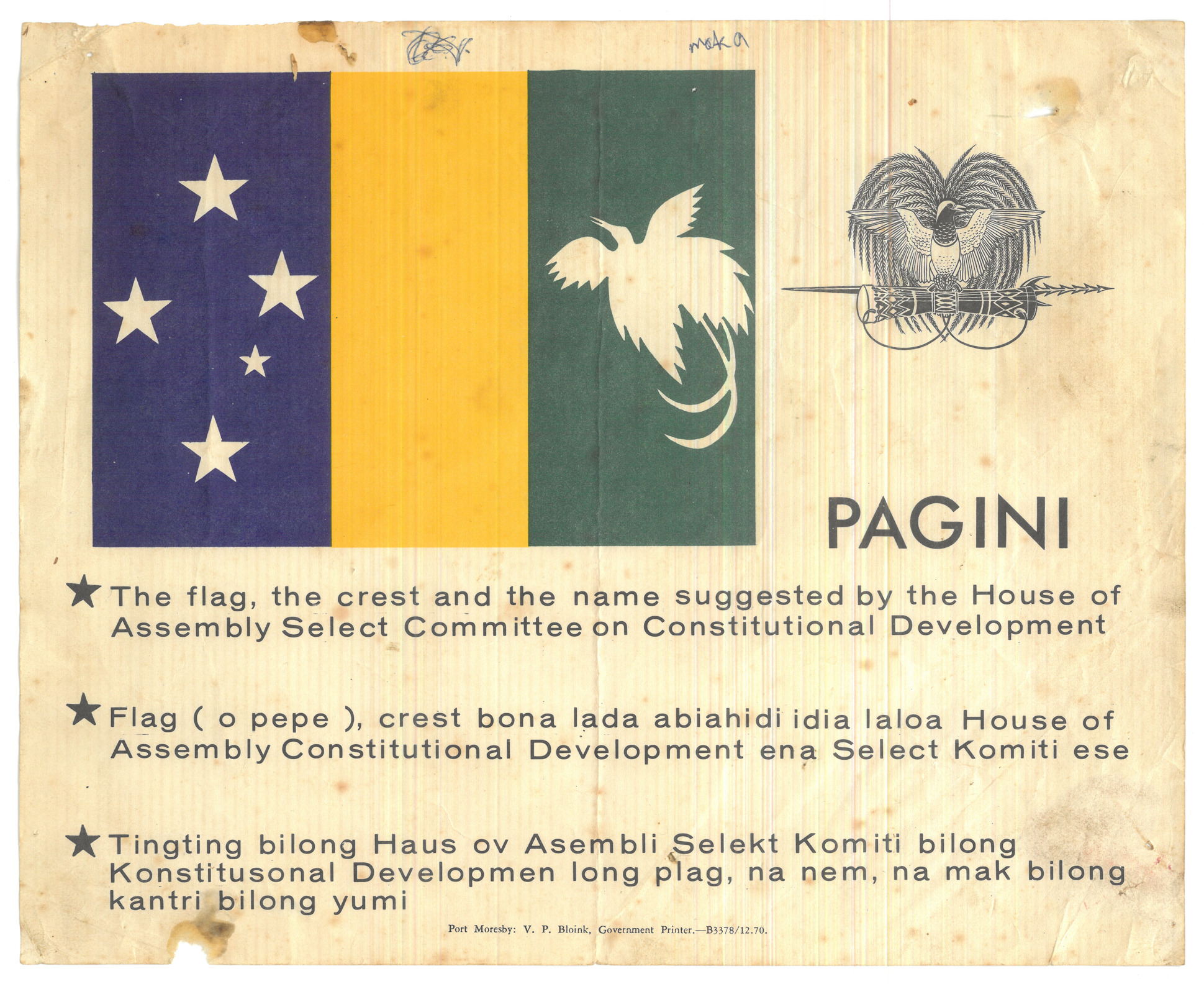
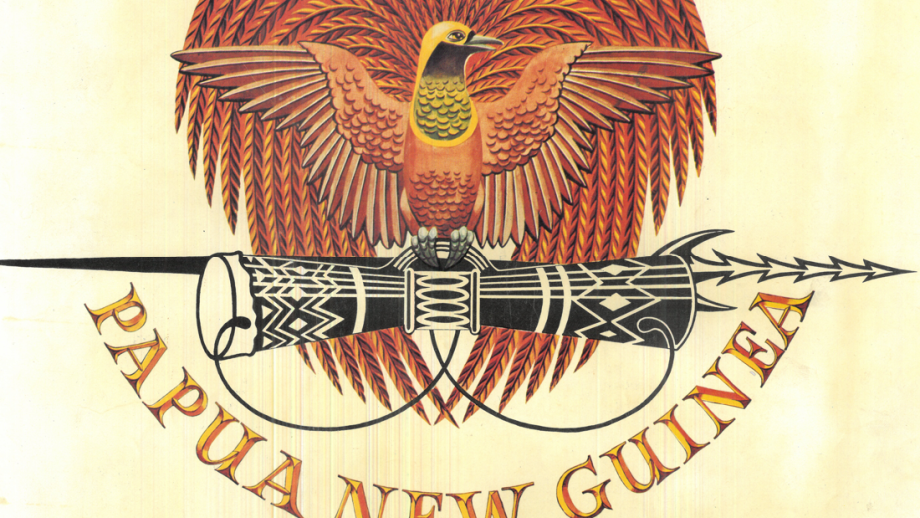
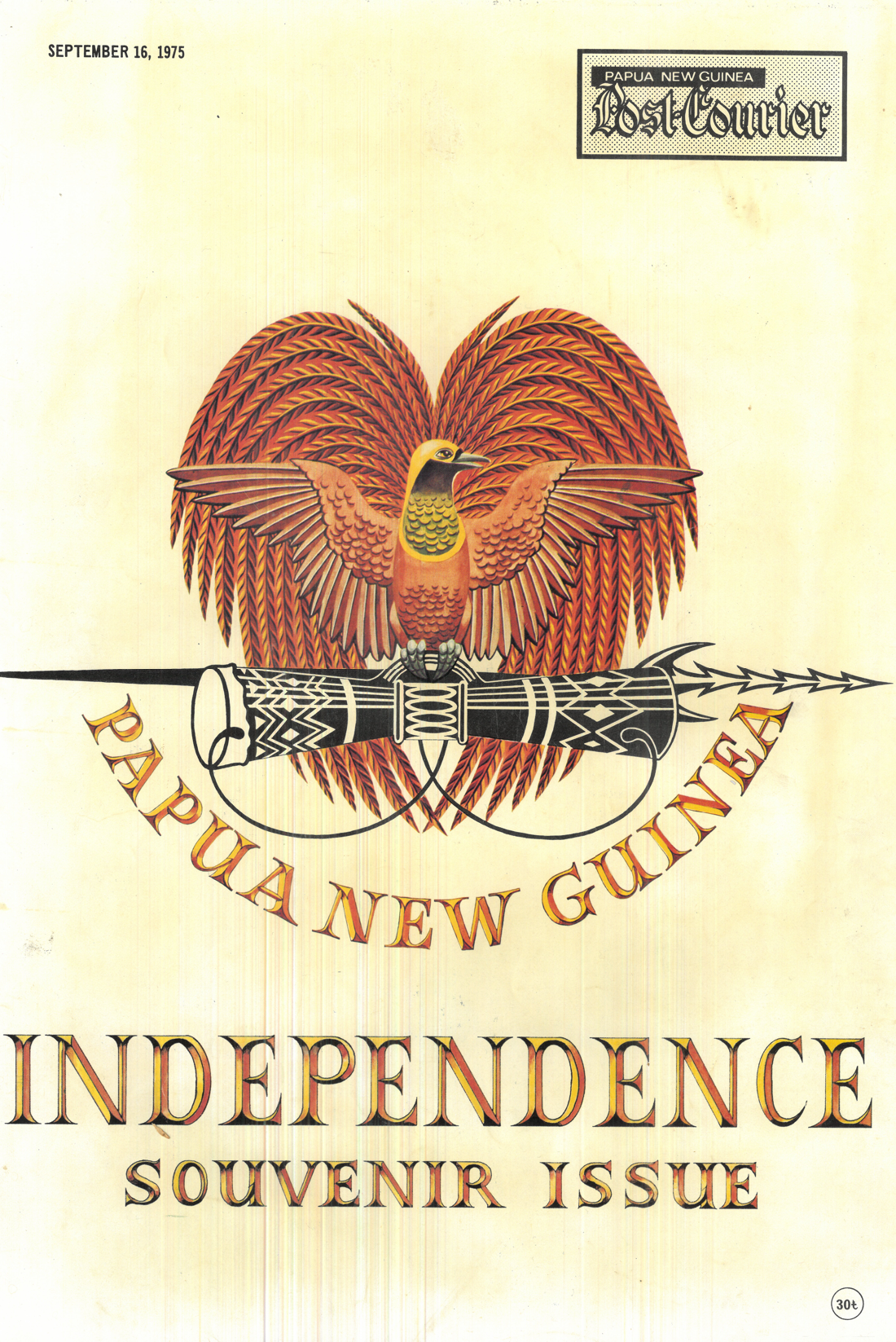
In 1969, Gough Whitlam visited Papua New Guinea and made the self-governance of the territory an issue in Australia during the run-up to the 1972 elections. At the same time, the House of Assembly in Papua New Guinea was pushing for independence, adopting a flag and an emblem and dropping the “and” to become Papua New Guinea.
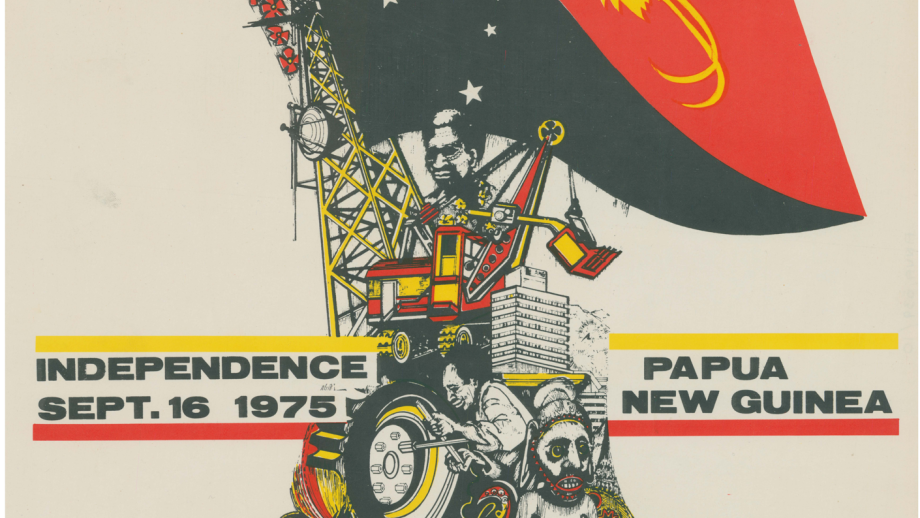
Michael Somare was elected as Chief Minister in the 1972 Papua New Guinea general election. Upon independence, he became the country’s first prime minister and officiated at the independence ceremonies on 16 September 1975 with HRH Prince Charles (representing the monarchy), Governor-General of Australia Sir John Kerr, and Prime Minister of Australia Gough Whitlam.
This exhibition is meant to honor Papua New Guinea on the 50th anniversary of its independence, to celebrate its long history and highlight the special relationship the Australian National University has maintained with our nearest neighbor.